


Sun Damage 101: What It Is, and How to Avoid It
Your Guide to Preventing Photodamage!

Summer is here, and even though it's hot outside, we can all agree that it's great to be spending time outdoors with friends, family, and the sun.
But unfortunately, there's a silent skin killer out there waiting for you, one you need to be aware of. Its name...?
And it's dangerous. Like really dangerous. In fact, photodamage as a result of sun exposure causes your skin to become rough and wrinkly, leaving you a shell of your former radiant and youthful self. (1)
But don't worry. There ARE ways you can protect your skin this summer AND enjoy the warm-weather this season without the nasty effects of premature skin aging. In this blog we talk about what photodamage is, what causes it, and how to keep your skin HEALTHY and RADIANT all summer long!
WHAT IS PHOTODAMAGE?
Cumulative sun damage is responsible for 90% of the aging of your skin. A great way to look youthful and nourish your skin is by providing it the protection it needs constantly, all summer long! (4)
And just to let you know how serious a problem photodamage can be, exposure to the sun's dangerous rays affects the innermost layers of your skin, all the way up to your epidermis. (6)
WHAT YOU CAN DO ABOUT IT

To better understand the impact photodamage can have on you, we first need to learn about the three main layers of your skin - the dermis, subcutaneous tissue, and epidermis. The key skin layer to look at is your dermis, which contains important skin-boosting proteins like elastin and collagen, both of which are easily impaired as a result of sun damage. (7)
And the damage doesn't just end with wrinkles on your skin. Sun damage can also lead to skin cancer, less immunity to infections, moles, lesions, and other skin abnormalities you definitely don't want. (8)
Photodamage can also refer to damage to your DNA as a result of UV exposure. Prevent UV-induced photodamage today by applying protective products with natural ingredients you can trust. (9)
Sun damage is so critical to the aging process that a quarter of our exposure to the sun (and perhaps skin aging) happens by the end of our teen years. While this can be disheartening, it makes it that much more important that you take care of your skin right now. And if you want to avoid uneven skin, smaller blood vessels, and the pre-cancer that can manifest as a result of photodamage, make sure you're taking the necessary PRECAUTIONS when going outside, even if you're not intentionally sunbathing. (10)
And once again, remember that sun damage is cumulative, so taking the necessary STEPS to preserving your skin will help stave off further injury to your dermal layer, especially of your face. (11)
THE SCIENCE OF SUN DAMAGE
To protect yourself from dangerous sun damage, wear sunscreen. Be careful, though - many over-the-counter sunscreens contain dangerous chemicals and artificial fragrances. (14)
PREVENTING SUN DAMAGE
Sun damage can cause patches on your skin called actinic keratosis, which affects 58 million people worldwide. Increase the speed of your cellular regeneration with the Vitamin E found in GARNER'S GARDEN 100% ALL-NATURAL VITAMIN C FACIAL SERUM! (19)
CAN YOU REVERSE DAMAGE

Now that we've covered some of the ways you can avoid the damage that goes along with increased sun exposure, let's talk about what you can do once the damage has already taken place. One of the best ways to remedy your skin from the dangers of radiation is through the application of antioxidants, especially VITAMIN C. VITAMIN C slows down your skin's degeneration, which can help stave off visible sun damage. (22)
VITAMIN C also stimulates the production of collagen, which - as part of a nighttime SKINCARE REGIMEN - can help you naturally correct and remedy your complexion after a long day in the sun. (23)
When thinking about what products to use on your skin, you need to know that many chemicals in over-the-counter products, like tretinoin and glycolic acid, actually increase your sensitivity to the sun. VITAMIN C, on the other hand, does not increase your sensitivity, and causes your dead skin cells to shed, and for those upper layers of dull skin to naturally peel away. (25)
Having a good SKINCARE REGIMEN, and WASHING and MOISTURIZING every day, is essential in achieving a healthy and radiant complexion. Clear your skin and enhance your youthful glow with a daily routine designed to protect you from harmful pollutants and free radical damage. (24)
Also remember that sunscreen can not only help prevent sun damage, but can also fight cellular damage, which can be part of your sun defense. (26)
The Seasonal Essentials Catalogue


For Best Natural Sun Defense You Can Trust

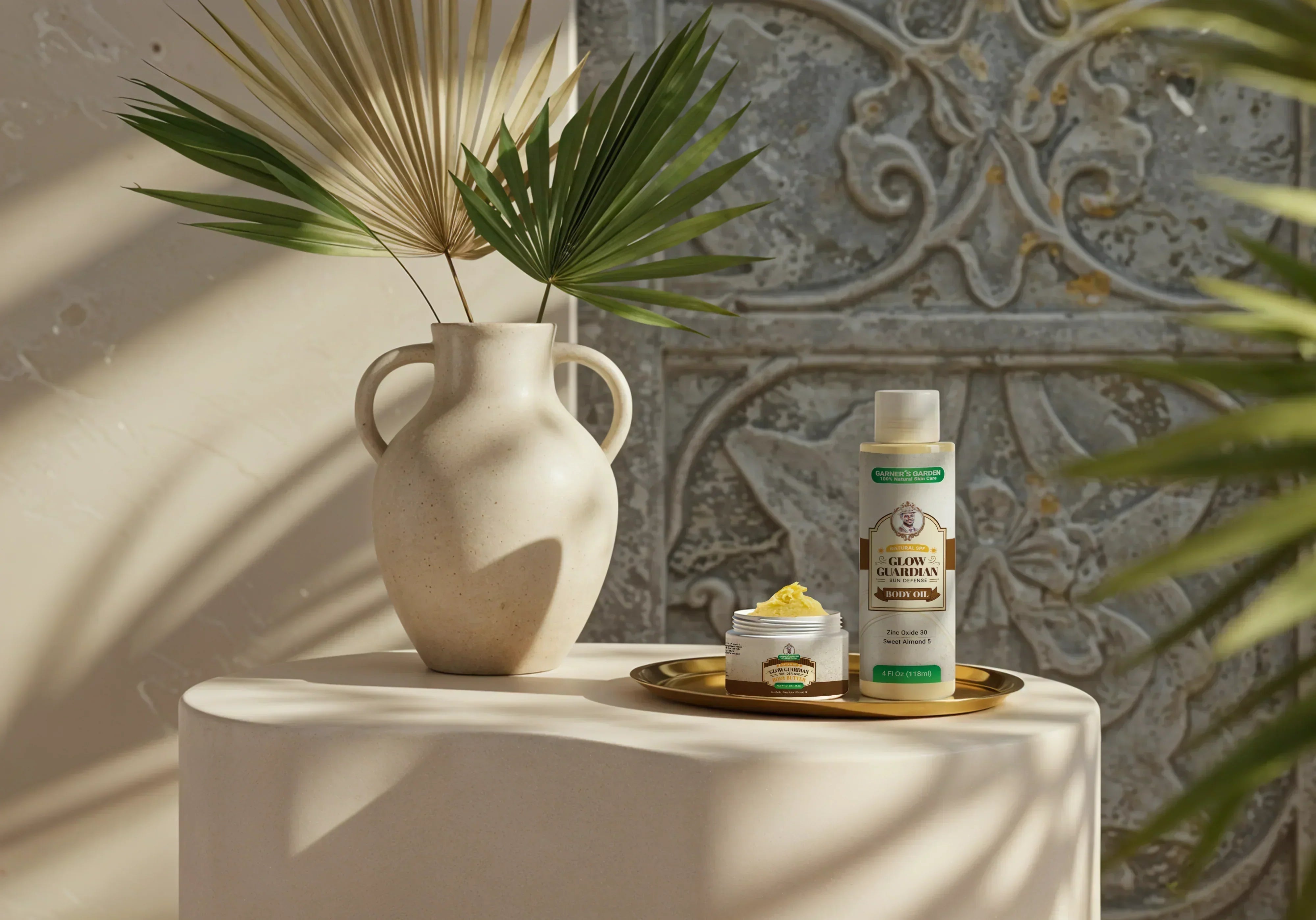
For the best natural sun defense you can trust this summer, check out Garner's Garden 100% All-Natural Sun Defense Package, a collection of all-natural seasonal faves designed to help keep your skin burn-free, youthful, and glowing when out in the sun!
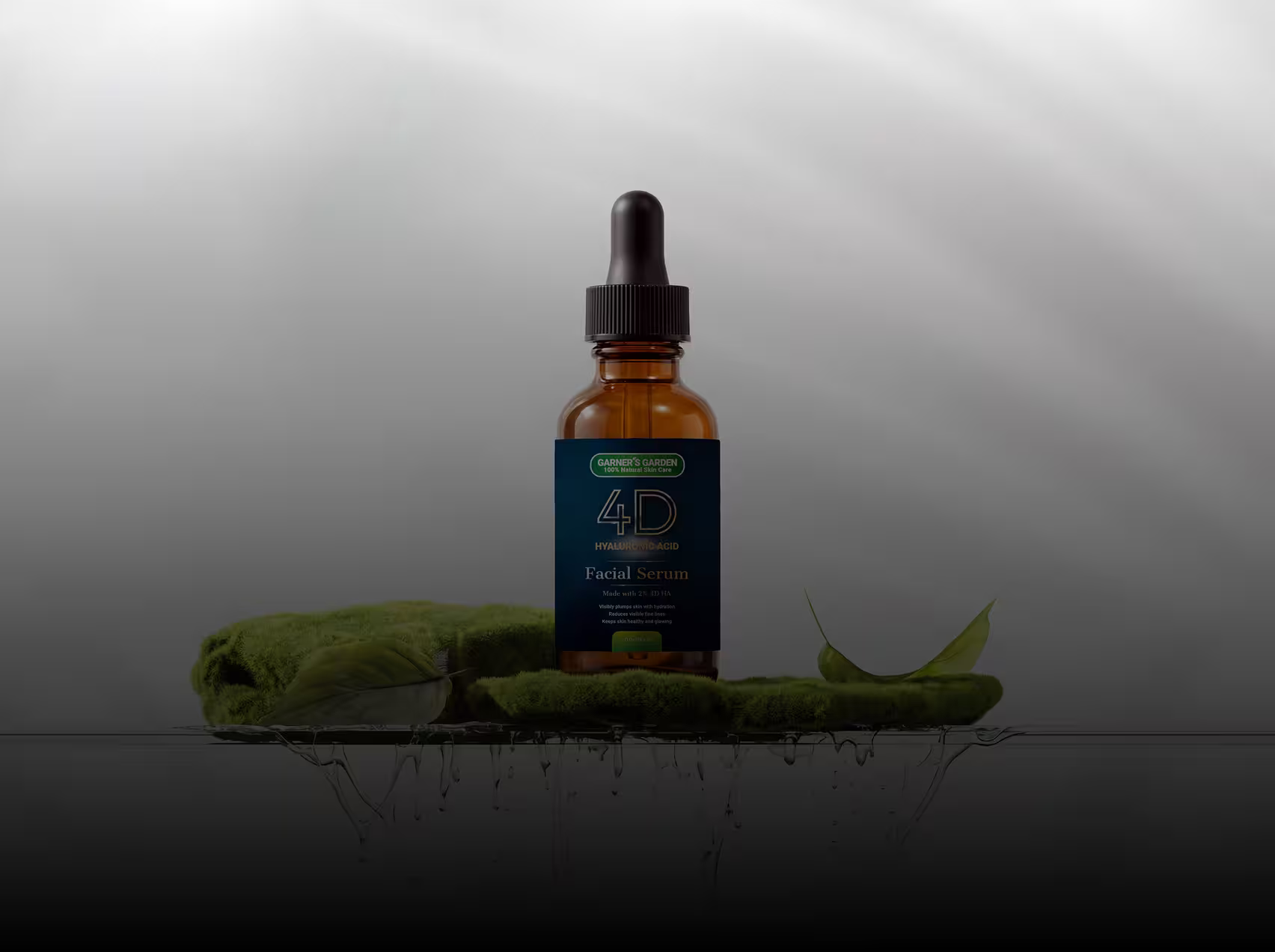
Another great way to balance your skin and restore your skin's radiance and natural beauty is by using Garner's Garden 100% All-Natural Vitamin C Facial Serum, a hydrating serum filled with antioxidants to balance your skin and counter wrinkling, free radical damage, and other signs of aging. Available in MEN'S and WOMEN'S varieties.
LEAVE A COMMENT BELOW FOR YOUR CHANCE TO WIN A FREE GARNER'S GARDEN PRODUCT OF YOUR CHOICE!
- (1) NCBI Photoaging Cellular Research Index Datasets.
- (2)(3)(5) Dermatology Surgery Center & Hermann Clinical Studies on Extrinsic Skin Elasticity Indicators.
- (4) Skin Cancer Foundation: Photoaging Prevalence Data Reports.
- (6) Gainesville Dermatology Surgical Reviews on Epidermal Damage Mapping.
- (7)(8) Verywell Health Matrix: Dermal Elastin and UV-Induced Alteration Variables.
- (9) Merriam-Webster Medical Index Protocols on Cellular Photodamage.
- (10)(11) Clinical Preventative Strategies & Biopelle Dermal Preservative Frameworks.
- (12) Mayo Clinic Core Adult Health Multimedia Guides on Melanin Triggering.
- (13) Paula's Choice Science Explainer Database: Fatty Acid Depletion.
- (14) MedlinePlus Medical Anatomy Videos.
- (15) Yale Medicine Conditions Library: Photoaging Case Evaluations.
- (16) Sanova Dermatology Core Screening Bulletins.
- (17) Centers for Disease Control and Prevention (CDC): Basic Sun Safety Guidelines.
- (18) Cancer.net Skin Protective Clothing Metrics.
- (19) Skin Cancer Foundation Actionable Guidance: Actinic Keratosis Aggregations.
- (20) Cleveland Clinic Protective Medicine Archives.
- (21) Johns Hopkins Medicine Safety & Wellness Directives.
- (22) Scripps Health System Antioxidant Application Testing.
- (23) Camille Styles Topical Skincare Reconstruction Methods.
- (24) Real Simple Skincare Structural Preservation Analytics.
- (25) Healthline Beauty & Skincare Evaluation Index.
- (26) Galt Dermatology Cellular Restoration Reports.
- Report Content Context: Includes Our Sun Defense Body Oil (hydrates and soothes; helps protect your skin and block out dangerous UV rays), Sun Defense Face Oil (provides UV protection; balances your skin with moisture and refreshing hydration), and Sun Defense Body Butter (nourishes your skin; acts as a natural mineral sunscreen).
- *Disclaimer: Contact a doctor/health care professional if you have any questions about you or your kid's/baby's health. Don't ignore medical guidance or delay getting help because of content on this site. The content on this site is not meant to replace or as a substitute for any advice, treatment, or diagnosis from a medical health professional. The content on this site is not medical advice or guidance. Speak to a health care professional before you or your kid/baby begin any kind of medical/skin care routine. We are not fully guaranteeing prevention or remedying of any infections, skin problems, or diseases with the content on this site or with our products. Speak to a health care professional when mixing skin care products. Speak to a health care professional before essential oil use.
Read more
In this blog we talk about how magnesium reduces body odor, and how to enjoy an ODOR-FREE SUMMER!
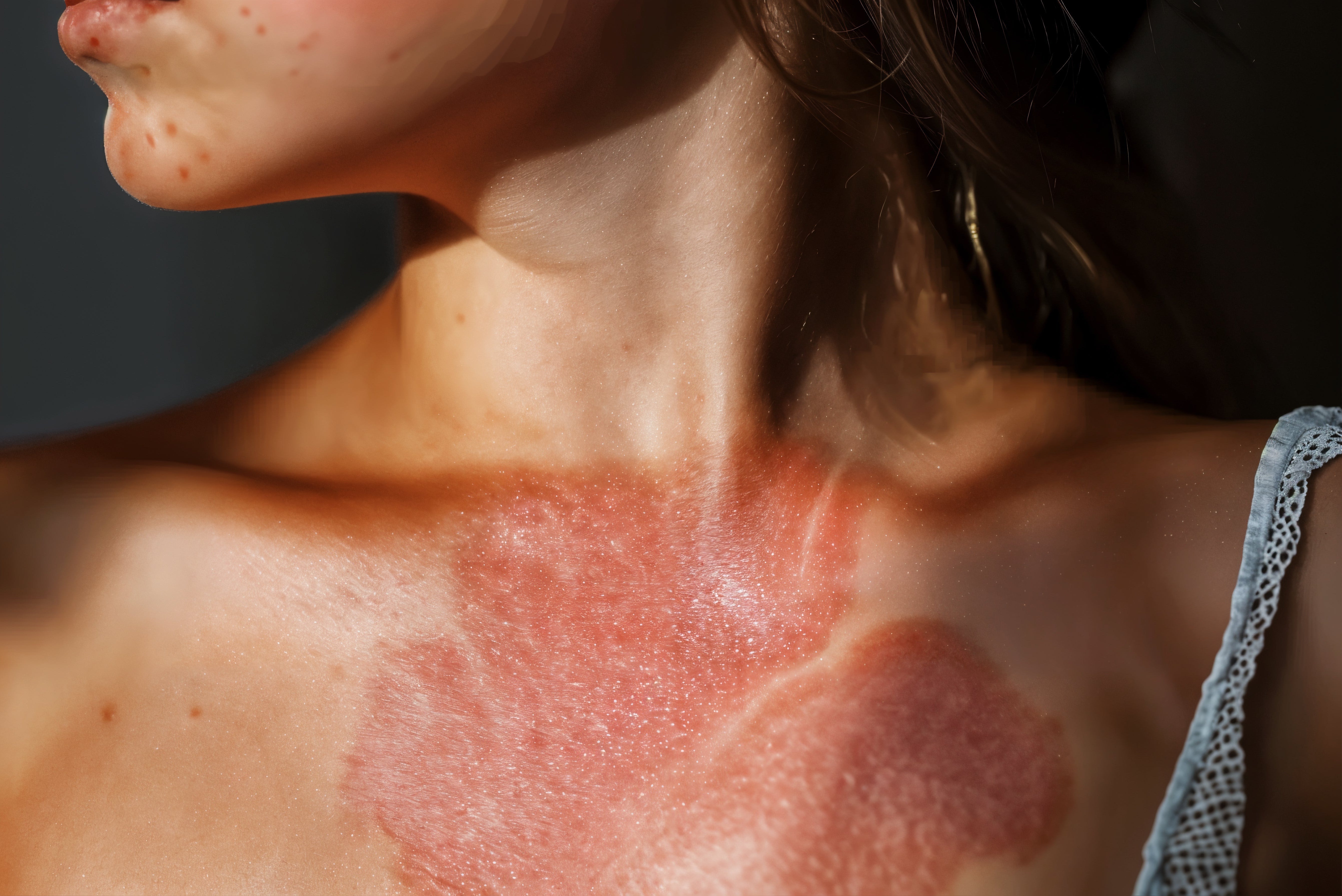
In this blog we talk about what sun damage is, and the four steps you can take to reverse its damage today!
Leave a comment
All comments are moderated before being published.
This site is protected by hCaptcha and the hCaptcha Privacy Policy and Terms of Service apply.