


 Body Butter - Various Essential Oils
From $15.00


Your cart is empty
A little more from Garner’s Garden. Explore care for your body, hair, and face.
Body Butter - Various Essential Oils
From $15.00
 Body Butter - Natural Fragrance
From $15.00
 Breathe Better Body Wash
From $27.00
 4D Hyaluronic Acid Body Wash | Organic
From $44.00
 Armpit Deodorizing Foaming Wash | Organic | Oxygenated
From $15.00
 Armpit Post Wash Spray | Organic
From $19.00
 Organic Hand Soap
From $24.00
 Organic Intimate Wash For Women | Foaming | H₂O₂
From $15.00
 Magnesium Deodorant Spray
From $25.00
 4D Hyaluronic Moisturizing Layer
From $29.00
 Eczema Relief Spray
From $15.00
 Hot Flash Spray
From $15.00
 Beard Butter | Organic
From $15.00
 Natural Hair Oil
From $15.00
 Intimate Hair Oil
From $15.00
 Hair Balm | Men's | Organic
From $15.00
 Shea Hair Butter
From $15.00
 Natural Aftershave
$22.00
 Argan Oil
$27.00
 4D Hyaluronic Acid Hair Serum
$44.00
 Baobab Oil Shampoo
From $22.00
 Toddler Hair Oil
From $16.00
 Organic Baobab Oil Baby Shampoo
From $15.00
 Organic Baobab Oil Toddler Shampoo
From $15.00
 Natural Lip Balm
From $15.00
 Oil Cleansing Method Charcoal
From $21.00
 Extra Strength Facial Toner
From $15.00
 Facial Toner - Pure
From $15.00
 Organic ACV | Apple Cider Vinegar Toner With Witch Hazel
From $19.00
 African Black Soap Foaming Facial Cleanser | H2O2
From $15.00
 Organic Face Wash
From $16.00
 Hydrosols
From $28.00
 Mineral Exfoliating Scrub
From $15.00
 Activated Charcoal Scrub
From $18.00
 DIY Detox Face Mask
From $18.00
 5lbs African Black Soap
$109.00
Add-ons are one-time purchases. Choose an option to see its exact price.

Grinding your teeth is something many of us do, and don't even know it.
It's so common that one-third of adults jaw-clench and grind their teeth during the day, and ten percent grind their teeth while they sleep. (1)
Those numbers may make it seem like grinding your teeth is harmless, but it's not. In fact, grinding your teeth can lead to serious health problems if you don't stop and remedy your symptoms immediately.
And that's now possible because new research reveals that you can not only prevent yourself from grinding your teeth, but that ALL-NATURAL ORAL CARE can even work to reverse the damage of grinding in the first place.
So let's dive into this blog, where we talk about why we grind our teeth, how to stop it, and ways you can RESTORE YOUR TEETH to full strength today!

Grinding your teeth may be something you've always done. It may even be something you're doing while you read this. But that doesn't mean it's not serious.
Regularly grinding your teeth actually has a medical name - bruxism - and that's because both its symptoms and causes are serious when it comes to not only your oral health, but your physical and mental heath as well. (2)
Bruxism can affect everyone, and may even begin when you're young. For example, fifteen percent of all children grind their teeth, which is especially serious for their growing teeth and mouths. (3)
Although movement in sleep is common, the movement that comes from regularly grinding your teeth is not.
Grinding your teeth produces 250 pounds of force per square inch of pressure, lasting up to forty minutes of your sleep cycle. (5)
And when you consider chewing only produces 20-40 pounds of force upon your teeth, it's not hard to see why your teeth feel the pain that can come from grinding. And this pain is significant, and is only compounded by the chipped and cracked teeth you can develop from grinding over time. (6)


Although grinding your teeth most obviously affects your teeth, it also has major consequences on the rest of your oral and overall bodily health.
And one of the clearest examples of the harm grinding your teeth can cause is the wearing down of your enamel.
Your enamel - the outer layer of your teeth - is responsible for protecting the tissues inside your teeth. Unfortunately, grinding your teeth erodes your protective enamel, leading to potential toothaches and health problems down the line. (7)
The loss of enamel that comes from grinding your teeth can also lead to an increased risk of tooth decay and tooth sensitivity. And what's worse is that once your enamel is gone, it's gone. So now's the time to work on stopping grinding your teeth today. (8)
I think we've all heard that everything in your body is connected, and this is especially true when it comes to grinding your teeth. That's because grinding your teeth can have a significant impact on your jaw, head, and neck.
More specifically, your temporomandibular joint (TMJ) and the muscles around it are affected by teeth grinding, and can stretch all around your head and body, leading to headaches that can be as severe and as painful as migraines. (10)
And one of the most overlooked aspects of nighttime teeth grinding is the effect it can have on your sleep. Grinding can lead to broken sleep and earaches that can leave you reeling for the rest of your day. (11)


Though many of the consequences of grinding your teeth are physical in nature, many of the causes are mental.
One of the leading causes of grinding your teeth is anxiety. Stress, nervous energy, and imbalances in neural transmitters are all common causes of grinding your teeth. (12)
And just like grinding your teeth can cause sleep problems, sleep disorders like sleep apnea and night terrors can also cause bruxism, in addition to other genetic markers that can leave you predisposed to grinding. (13)
Other causes of grinding your teeth are problems already in your mouth. For example, people with bites that aren't directly aligned may see an increased risk of grinding. (16)
People already with cracked teeth may also see a greater chance of grinding their teeth, much in the same way as people who are missing some teeth. (17)
It's also important to limit caffeine and alcohol, as excessive intake of them will increase your chances of developing bruxism, and the likelihood of you grinding your teeth. (18)

Now that we've covered how dangerous grinding your teeth can be, let's talk about the ways you can prevent yourself from grinding at all.
One of the best ways to prevent yourself from grinding your teeth is by RELAXING. Though it can seem like an impossible task, taking the steps to simply calm down, especially before bed, will help prevent the result of grinding when stressed. (19)
It's also important to not let other stress triggers worsen and cause grinding. This means you should stop chewing gum, pencils, nails, or any other hard objects that are really just nervous tics. (20)
Another great way to prevent teeth grinding is my moving. Exercise and other STRESS-RELIEVING activities produce endorphins that can help you relax and hold back the grinding.
To that end, talking and being open about anything you're going through, including your grinding (which can make your stress even worse) can help alleviate your tension and grinding habits. (22)
AROMATHERAPY has also been known to activate sensors in your nose that communicate with your brain, and can positively affect your emotion and mood! (23)


I know what you're thinking, "Great. All that prevention stuff is great, but what about those of us who have been grinding their teeth for so long already." Well, don't worry. There are ways you can reverse the damage from grinding your teeth today.
There are a few dental procedures dentists recommend that can help reverse the effects of grinding - such as bonding and crowns - that they claim will remedy the damage done. (24)
Dentists can also fit you with certain mouthguards, and veneers can also provide you protection from the effects of grinding. (24) (25)
And once your enamel has weakened, there are ways you can strengthen your teeth so that you can hold off long-term oral health problems.
One of the best ways to strengthen your teeth and prevent tooth decay as a result of a wearing down of your enamel is by simply brushing your teeth. (27)
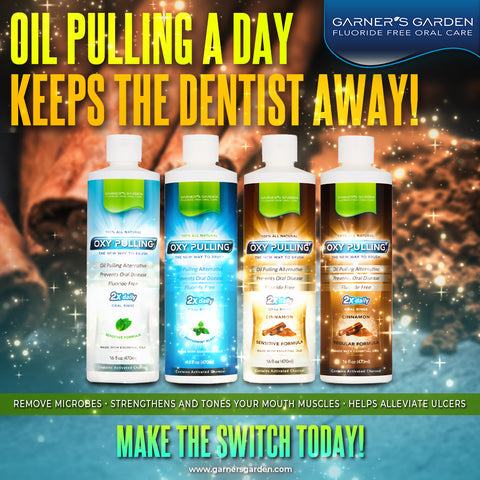
Another great way to strengthen your teeth and reverse the effects of enamel erosion is by giving your teeth the necessary nutrients and minerals they need, which can help nourish them back to great health immediately! (28)



1 comment
I would never have guessed that so many things lead to grinding our teeth – or the different remedies!
Thanks for the info. Definitely food for thought.
———
Garner’s Garden replied:
Hey Alrié, thanks so much for your comment! I know – it’s amazing how so many things can cause problems to our health. To best protect your oral health today, please check out our assortment of All-Natural Oral Care Products, and let us know what you think!
Alrié V. Matthews
Leave a comment
All comments are moderated before being published.
This site is protected by hCaptcha and the hCaptcha Privacy Policy and Terms of Service apply.