


Your Edges Are Laid. What’s in That Gel?

THE GARNER’S GARDEN JOURNAL
Your Edges Are Laid.
What’s in That Gel?
You know the routine.
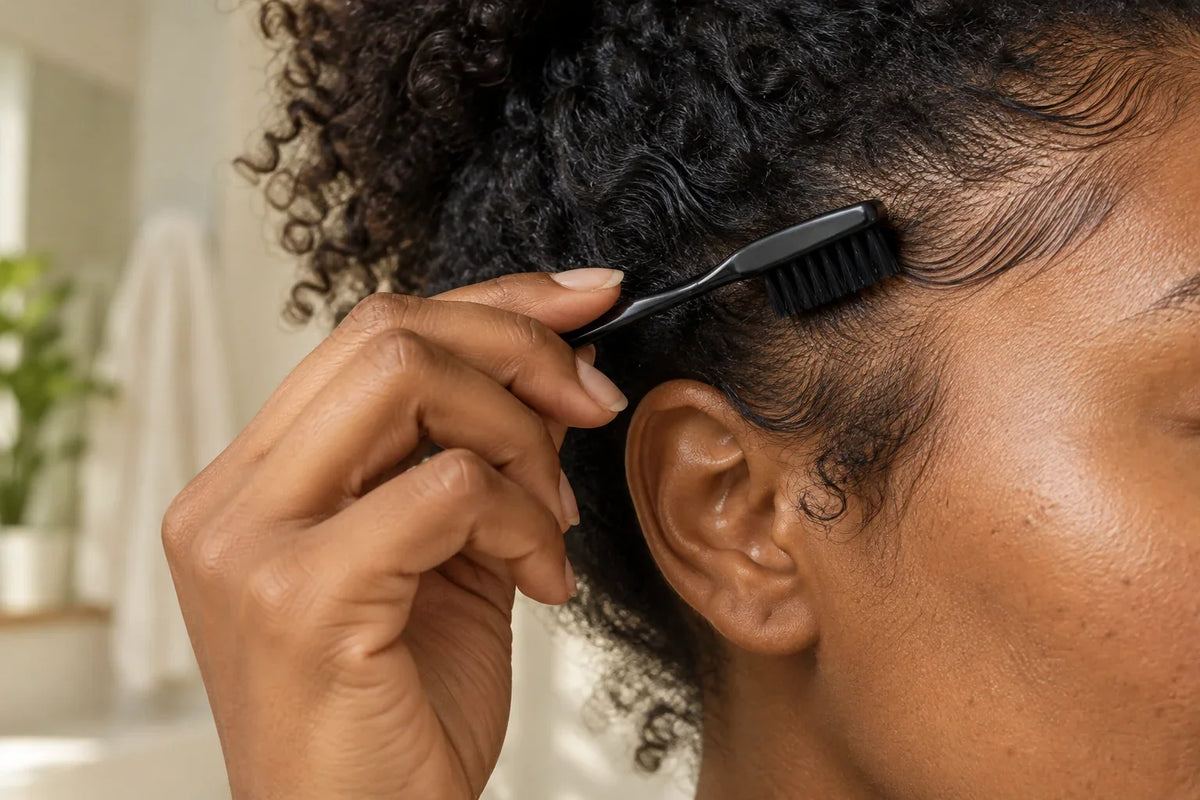
A little gel. The brush. The scarf. One more pass at that spot that won’t stay down.
We spend all that time getting our edges to lay right. But how often do we turn the jar around?
Especially when something starts bothering us. Itching after styling. Skin that keeps flaking. A spot along the hairline that looks different.
We want you to give those concerns some attention. You can love your slick bun, your waves or your braids and still ask more of the routine behind them.
Start with what you’re putting on your edges every morning.

Turn the jar around with us

An edge-control ingredient list we checked names DMDM hydantoin, fragrance, limonene, linalool and benzyl benzoate among its ingredients.
THE PRESERVATIVE
Let’s start with DMDM hydantoin.
It helps preserve the product. FDA lists it among preservatives that release formaldehyde in its cosmetic-allergen guidance. If you have a relevant allergy, that name matters. FDA’s ingredient information.
We’d want to know that before making a jar part of an everyday habit. You deserve to know it, too.
THE FRAGRANCE
Fragrance deserves attention as well. Limonene, linalool and benzyl benzoate appear in FDA’s fragrance-allergen information. Some people react to these ingredients. See the FDA list.
What can a reaction feel like?
An itchy rash. Dry, flaky skin. Swelling. Burning or stinging where you apply a product.
Those are possible signs of contact dermatitis. It can happen when something irritates your skin or triggers an allergy. A tingle alone cannot tell you whether you have an allergy. AAD explains the signs.

If the same step keeps leaving your skin uncomfortable, take the pattern seriously. Stop using a product that irritates you and get advice about symptoms that persist. Bring the jar and its ingredient list.
There are everyday formula ingredients in that jar, too. Glycerin helps a product hold onto moisture and has conditioning uses. Ceteareth-25 helps oil and water mix and can help give a formula its thicker texture.
Knowing those jobs lets you make a more informed choice. You can decide what you want to keep using and what you want to leave out.
Now, about all that pulling
Think about that last pass with the brush. Or the ponytail you tighten again before walking out the door.
Repeated pulling from tight styles can cause traction alopecia. AAD warns that ongoing tension can eventually lead to permanent hair loss. Pain, stinging and changes around the hairline deserve attention early. AAD’s styling guidance.

We don’t think pain should become part of getting your hair done.
A product reaction and tension from styling need different attention. If a style hurts, loosen it. If it’s an installation, speak up about the pulling, especially around your edges.
Here’s a gentler plan for your next styling day

Give the brush a lighter job. Stop going over that same spot again and again. Use a gentle hand and let a few hairs sit where they want to sit. They do not mean you got your hair wrong.
Loosen the pulling. Ease up on tight ponytails and ask for less tension around the hairline when your hair is braided. Choose a finish you can wear comfortably instead of tightening it throughout the day.
Pay attention to a repeat reaction. If the same product leaves you with a rash, flaking or burning, stop that step and get help identifying the cause. Adding another layer is not a care plan.
If you’re seeing thinning or patches, get a dermatologist’s assessment. Hair loss has different causes, and early attention matters. When to get help.
Care for your edges before you style them
If all we talk about is what keeps your edges down, we miss the care they need before the brush comes out. Those short hairs need moisture and conditioning, too. Here’s how we give each step a purpose.

Start with hydration
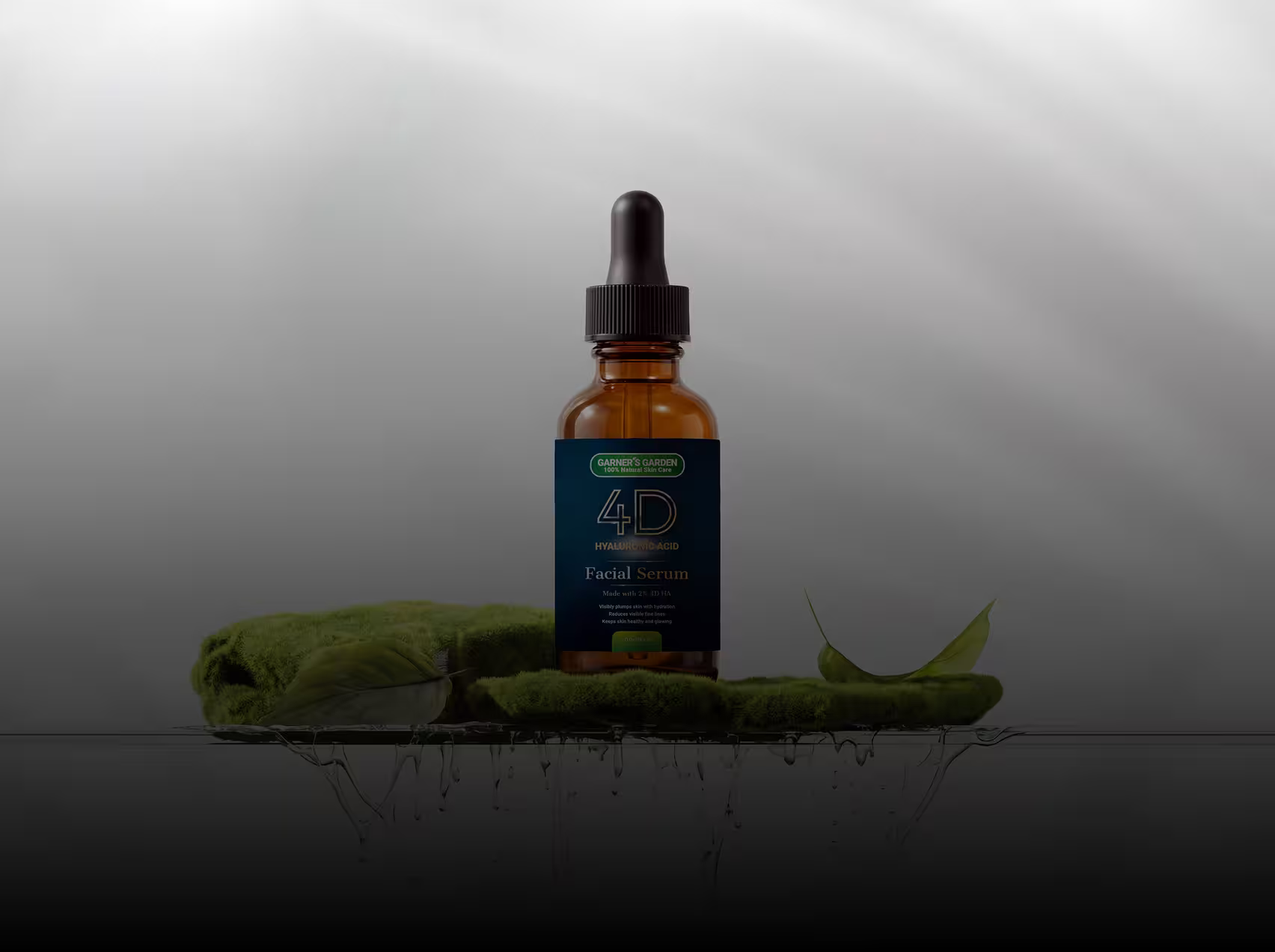
When the skin along your hairline feels dry and those little hairs feel rough, give moisture some attention. Our 4D Hyaluronic Acid Hair Serum combines four forms of hyaluronic acid with glycerin and panthenol, also known as vitamin B5. Hyaluronic acid binds water, helping hair and scalp feel moisturized and hair feel softer.
Work a few drops gently into your scalp on damp or dry hair, following the product directions. Give that step a gentle hand, too.
Give dry edge hairs some richer conditioning
Our Jamaican Black Castor Oil gives dry edge hairs a rich conditioning layer and shine. We keep it simple: one listed ingredient, castor seed oil. If the hairs around your hairline feel dry and need richer conditioning, this is an option to reach for.
Warm a few drops between your palms and massage gently onto your scalp. Use a light touch around your edges. We want you caring for those hairs instead of constantly brushing them back into place.
For a softening step before styling
Our Women’s Shea Hair Butter gives you a rich, softening conditioning step before styling. Start with wet or damp hair and massage a dime- or quarter-sized amount into your hair and scalp, following the directions for your option.
Choose the care that fits how your hair feels: hydration from the serum, richer oil conditioning from Jamaican Black Castor Oil, or the softening feel of our shea-based butter. Then let the brush do less.
Your hairline is part of the look, too
You’re allowed to ask questions about something familiar. You’re allowed to change what you use.
We want you to feel good about the choices behind your finished look. Know what goes on your hairline. Give it a gentler hand. Speak up when a style hurts.
You can make that switch with a purpose: choose care you understand, use it thoughtfully and keep your style comfortable.
Tomorrow morning, give your edges some of that same attention you give the finish.

Read more

That familiar chest-rub smell deserves a fresh look. We unpack common formula ingredients and introduce our adult Breathe Better Body Oil, with a separate path for baby-care questions.
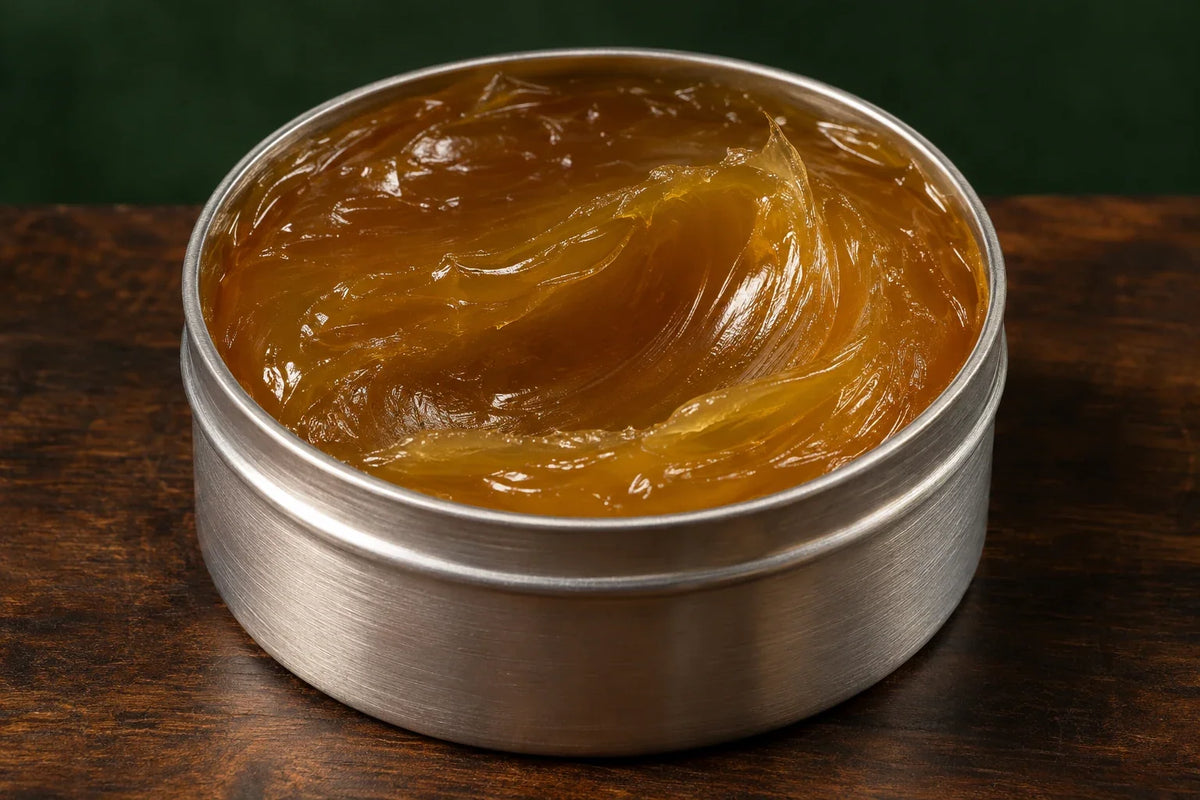
A closer look at petroleum-based wave pomades, buildup, hairline bumps and a conditioning routine with Men’s Hair Balm and Natural Hair Oil.
Leave a comment
All comments are moderated before being published.
This site is protected by hCaptcha and the hCaptcha Privacy Policy and Terms of Service apply.