






Aromatherapy for Sleep, Stress & Energy: What to Know
ON THE BLOG
Can Scent Help You Sleep, Unwind, or Feel More Alert?
A closer look at aromatherapy, the evidence behind it, and practical ways to make scent part of your routine.

WELLNESS, WITH PERSPECTIVE
Aromatherapy may support relaxation and reported sleep quality for some people. Evidence for relieving stress or increasing energy is less clear. A scent you enjoy can complement your daily routine, but it is not an established treatment for insomnia, anxiety, or persistent fatigue.
What Is Aromatherapy?
Aromatherapy is the use of essential oils from plants as a complementary wellness practice, most often through inhalation or properly diluted topical use. Lavender, bergamot, lemon, cedarwood, chamomile and other aromatic oils are commonly used to shape the sensory experience of a room or routine.
That matters because scent is closely tied to memory and emotion. A familiar aroma can become part of the cues you associate with winding down, focusing, or transitioning from one part of the day to another. But a pleasant sensory experience is not the same thing as treating a medical condition.
WHAT THE RESEARCH SAYS
Some research suggests aromatherapy may improve reported sleep quality, but the evidence is not definitive. Reviews have found encouraging results, while researchers and the National Center for Complementary and Integrative Health note that larger, more rigorous studies are still needed.
Can Aromatherapy Help With Sleep?
Aromatherapy is sometimes used as part of a bedtime routine. A 2021 systematic review by Her and Cho combined 30 studies and found improvements in sleep quality. The studies used different approaches, including inhalation and aroma massage, so their results do not establish that every oil, pillow spray, or diffuser will have the same effect. NCCIH says larger and more rigorous studies are still needed.
That distinction is important: aromatherapy may be a useful part of a relaxing routine, but it should not be presented as a proven treatment for chronic insomnia. For persistent insomnia, established behavioral approaches such as cognitive behavioral therapy for insomnia (CBT-I) have substantially stronger clinical support.
What About Stress and Mood?
Scent can influence how an environment feels, and some aromatherapy studies have reported changes in mood, anxiety or perceived stress. Results vary by oil, method, population and study quality. For example, research summarized by NCCIH found that lemon aroma improved mood in one stress study, while neither lemon nor lavender changed the measured stress indicators in that study.
That makes the most responsible way to think about aromatherapy simple: use scent to support the atmosphere and routine you want—not as a substitute for care when stress, anxiety, fatigue or sleep problems are persistent.

Can Aromatherapy Give You More Energy?
A bright scent can feel refreshing, but feeling refreshed is different from proving that an oil increases energy or treats fatigue. The lemon study described above measured mood; it does not establish a reliable energy boost from citrus scents.
If you enjoy a particular aroma, use it as an optional cue for a daytime break. Persistent tiredness deserves attention to sleep and possible underlying causes, rather than relying on an essential oil to push through it.
How to Build a More Intentional Nighttime Routine
Use a scent you enjoy at roughly the same point in your evening so it becomes associated with winding down.
Dim the lights, reduce stimulating screen time, keep the room comfortable and give yourself time to transition toward sleep.
Choose a scent you enjoy and follow the product label. If fragrance bothers you or anyone sharing the space, a scent-free routine is a good choice.
Use Essential Oils Thoughtfully
Essential oils are concentrated plant extracts. Follow the directions for the specific product and method you are using. Do not assume that “natural” automatically means risk-free.
Skin contact can cause irritation or allergic reactions, and some citrus oils may increase sun sensitivity when applied to skin. Essential oils should be stored securely away from children and pets, and aromatherapy oils should not be swallowed. Stop use if you develop irritation or breathing symptoms. Ask a healthcare professional about use during pregnancy or breastfeeding, around young children, or with medications or health conditions; ask a veterinarian before using oils around pets.
For another look at scent in the home, explore our guide to room sprays. A room fragrance and a product intended for skin or bedding can have different directions, so use each for its labeled purpose.
Quick Answers About Aromatherapy
What is aromatherapy?
Aromatherapy uses essential oils from plants as a complementary wellness practice, commonly through inhalation or diluted topical application.
Does aromatherapy help you sleep?
Some studies suggest aromatherapy may improve reported sleep quality, but the evidence is not strong enough to treat it as a proven therapy for insomnia. It may be useful as one part of a relaxing bedtime routine.
Which essential oil is commonly used for relaxation?
Lavender is one of the most studied and commonly used oils in relaxation and sleep-related aromatherapy research. Evidence remains mixed, so individual experience can vary.
Can aromatherapy reduce stress?
Some studies report improvements in perceived stress, anxiety or mood, while others find little or no measurable effect. Aromatherapy is better viewed as a complementary sensory practice than as a treatment for persistent stress or anxiety.
Can essential oils boost energy?
Some scents may feel refreshing or influence mood. That does not prove a dependable increase in energy or a treatment for fatigue. Persistent tiredness should be discussed with a healthcare professional.
Are essential oils safe?
Essential oils can cause irritation, allergic reactions or other problems when misused. Follow product directions, store them away from children and pets, and use extra caution in situations such as pregnancy, breastfeeding, medication use or use around young children.
A Scent Cue, Alongside Your Usual Routine
Aromatherapy can add a pleasant cue to your routine. Sleep findings are encouraging, stress and mood results vary, and an energy boost is not established. Keep the habits that support your wellbeing at the center, with scent as an optional addition.

FROM GARNER'S GARDEN
Bring Lavender Into Your Wind-Down Routine
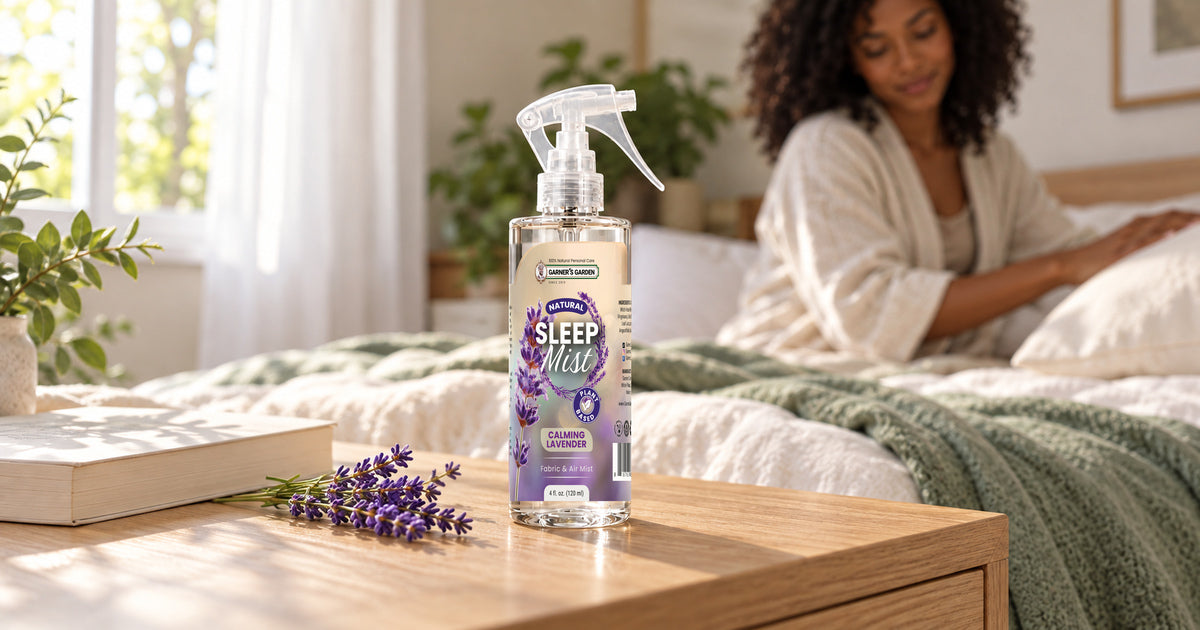
Our Natural Sleep Mist is a lavender pillow mist designed to add a calming scent cue to your nighttime routine. Use it according to the label and spot-test a small area of fabric before applying. Use on pillows or bedding as directed; avoid direct skin application and discontinue if irritation occurs. A pillow mist is not a treatment for sleep problems.
 EXPLORE NATURAL SLEEP MIST
Read more
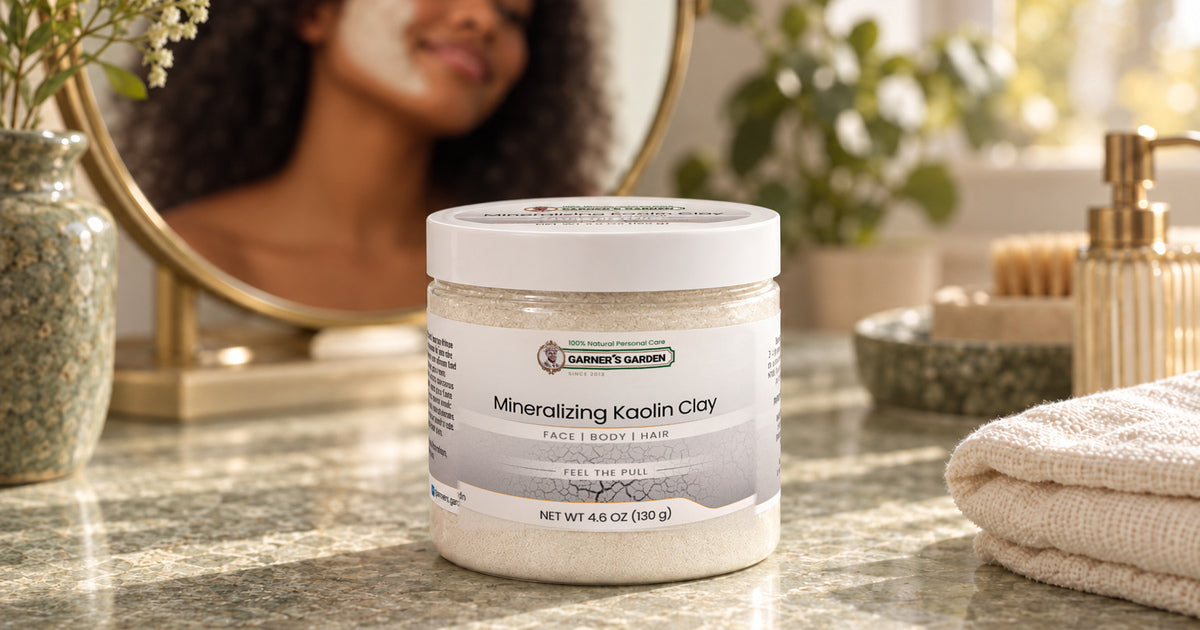
What kaolin does in skin-care formulas, four practical reasons it appears in products, and how to use it without exaggerated detox claims.
Why is eucalyptus so commonly associated with a clear, cooling sensation? Learn what eucalyptus aroma can—and cannot—do when you're congested and how to use topical products thoughtfully.
Leave a comment
All comments are moderated before being published.
This site is protected by hCaptcha and the hCaptcha Privacy Policy and Terms of Service apply.