


Why Skin Ages: What Changes and How to Support Healthy-Looking Skin
WELLNESS, WITH PERSPECTIVE
Skin aging is normal. Over time, changes in collagen, elasticity, moisture and cell turnover combine with environmental exposure—especially ultraviolet radiation—to change how skin looks and feels.

What Changes as Skin Ages?
Skin gradually becomes thinner, drier and less elastic. Collagen and elastin change over time, and the skin's ability to retain moisture can decline.
Sun Exposure Plays a Major Role
Ultraviolet radiation contributes substantially to premature visible skin aging. Use broad-spectrum, water-resistant sunscreen with SPF 30 or higher, following its directions, alongside shade and protective clothing. The Facial Care System below does not replace sunscreen.
Moisture Still Matters
Dryness can make fine lines and rough texture more noticeable. A consistent moisturizing routine helps support the skin barrier and improve the appearance and feel of dry skin.
Keep the Routine Consistent
Healthy-looking skin does not require an aggressive routine. Gentle cleansing, moisturizer, sun protection and products your skin tolerates are a stronger foundation than constantly changing products.
QUICK ANSWERS
What People Ask
Can you stop skin from aging?
No. Aging is a normal biological process, but daily habits can influence premature visible aging.
What contributes most to premature visible aging?
UV exposure is a major environmental contributor, which is why sun protection is central to dermatology guidance.
Does moisturizer help aging skin?
Moisturizer cannot stop aging, but it can improve hydration and make dry, rough skin look and feel smoother.

FROM GARNER'S GARDEN
Facial Care System
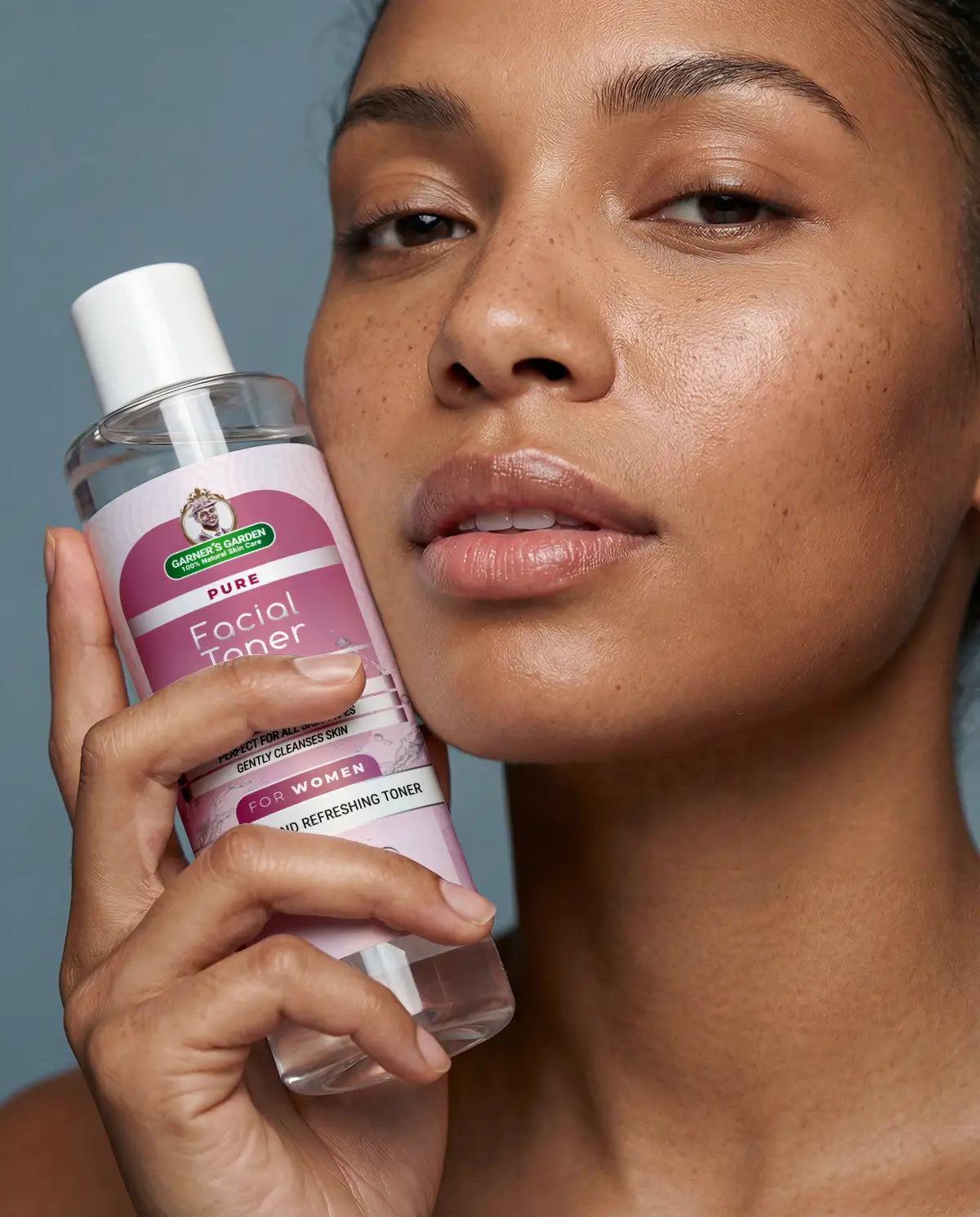
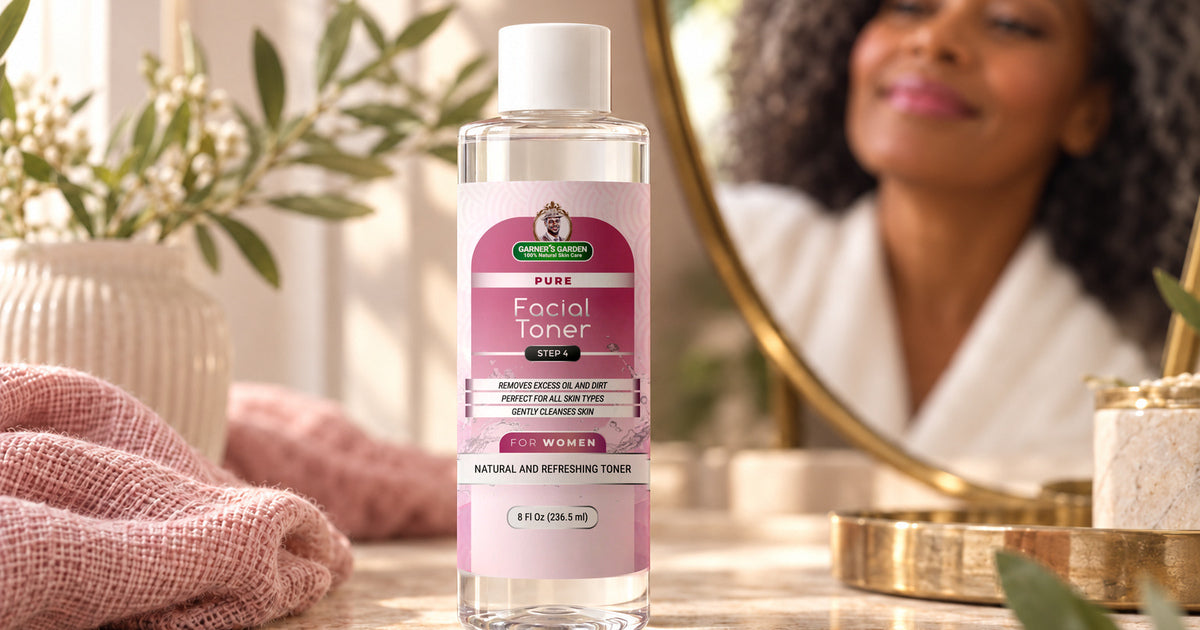
Explore the listed routine: Oil Cleansing Method, Organic Foaming Face Wash, Mineral Exfoliating Scrub, Pure Toner, Normalizing Oil and Vitamin C Serum. These are six products arranged in five care steps, with different day and night products in the final step. Follow each product’s directions and adjust to your skin’s tolerance; exfoliation need not be daily. This cosmetic routine cannot stop or reverse biological aging.

Keep Building a Comfortable Routine
For more practical body-care ideas, read our cold-weather dry-skin routine.
Read more
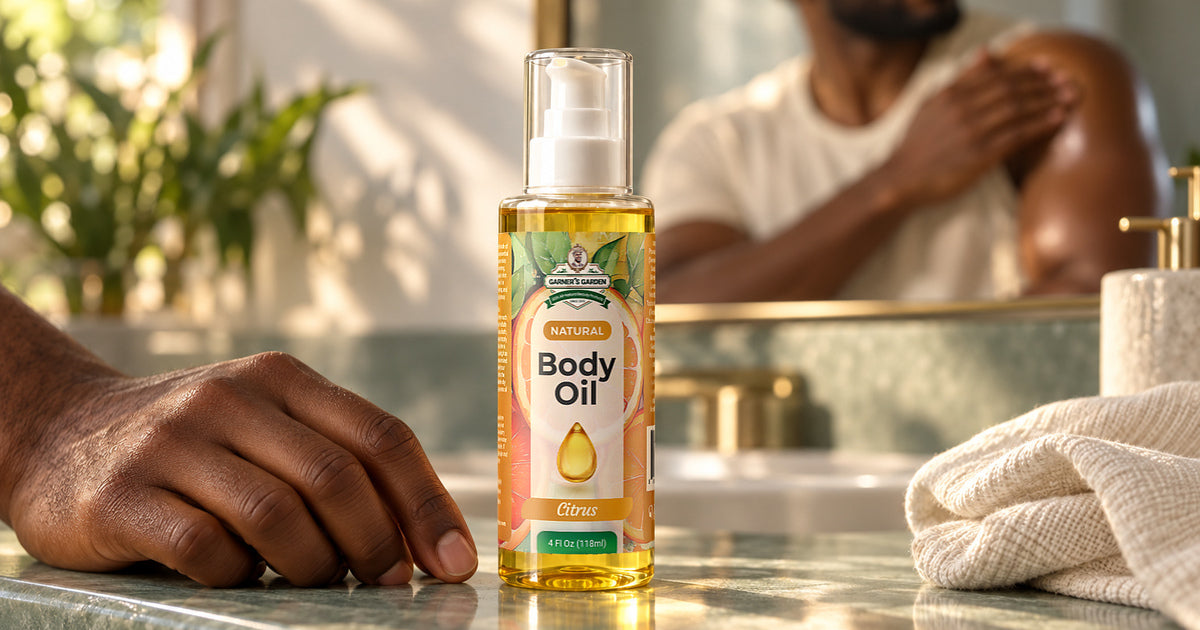
Why is eucalyptus so commonly associated with a clear, cooling sensation? Learn what eucalyptus aroma can—and cannot—do when you're congested and how to use topical products thoughtfully.
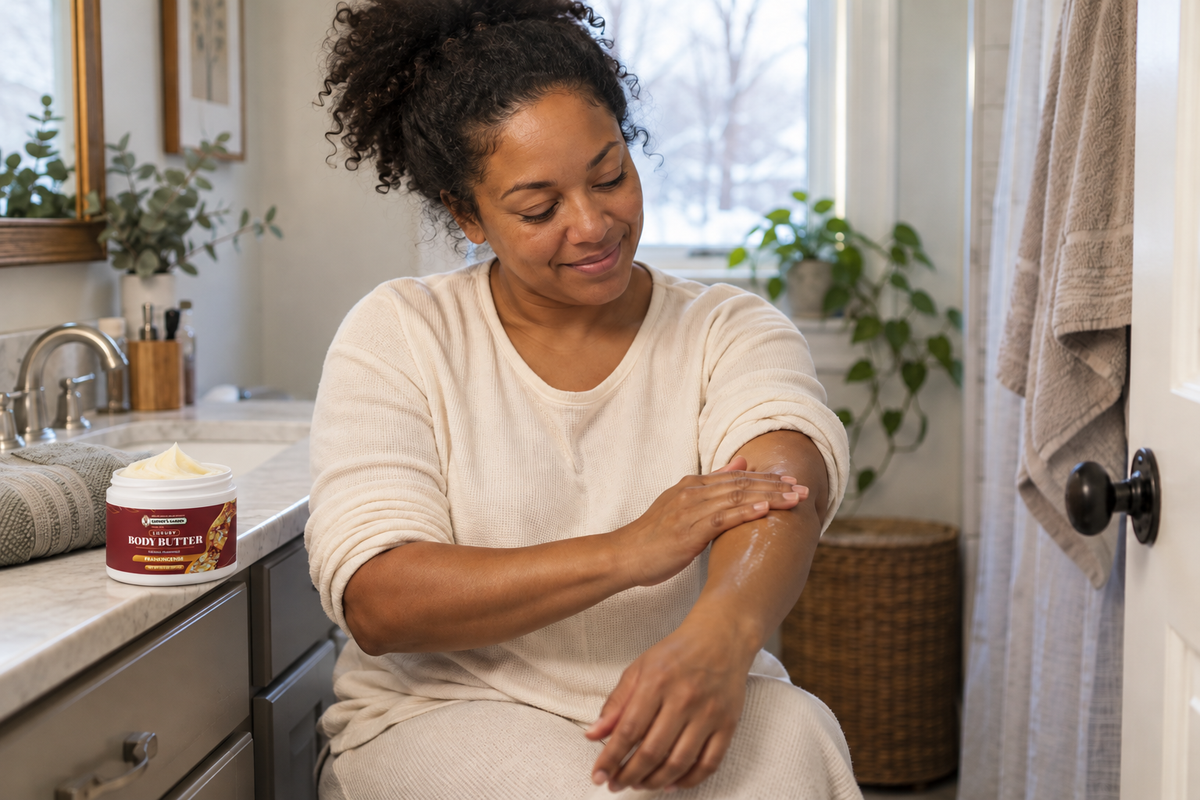
A practical guide to caring for dry-feeling skin as indoor heating and cooler weather become part of your day.
Leave a comment
All comments are moderated before being published.
This site is protected by hCaptcha and the hCaptcha Privacy Policy and Terms of Service apply.