


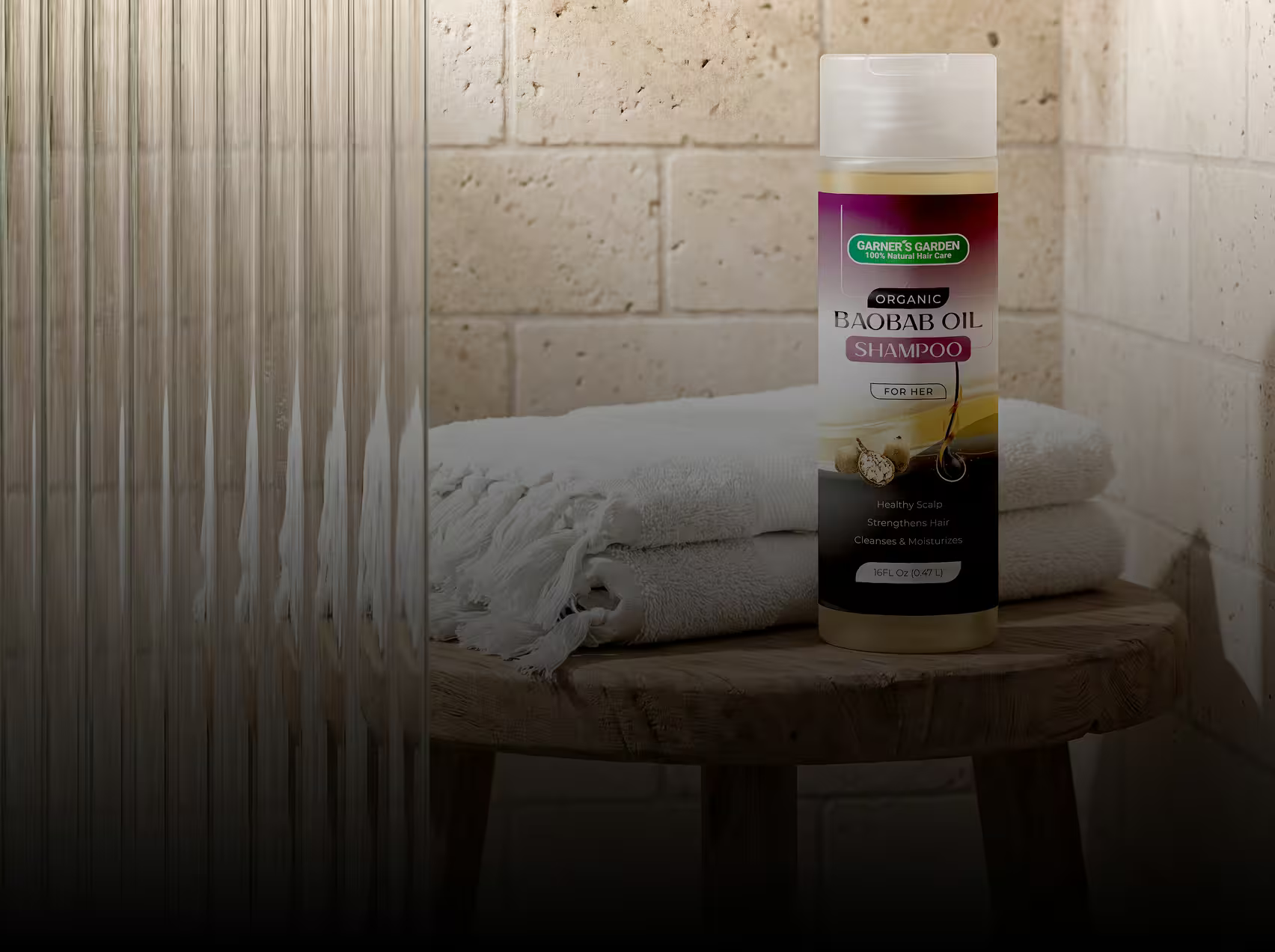
Check every skin type, every routine. Read your toner, face wash, lotion and serum labels for the drying-alcohol names above. Oily skin belongs in this conversation too; a tight, stripped feeling is not our goal.

Drying Alcohols in Skin Care: Why We Recommend Avoiding Them
ALCOHOL IN SKIN CARE
Shiny by lunchtime, but tight through the cheeks? What should “clean” actually feel like?
That quick, oil-cutting finish can feel convincing. We want you to look past the immediate sensation and check the ingredient lists on the products you use every day.
Drying alcohols can contribute to dryness and irritation, and oily skin is not a reason to ignore that risk. Our recommendation applies to oily, combination, normal and dry skin: leave alcohol out of everyday facial care.

These are the alcohol names to flag
Look for Alcohol, Alcohol Denat., ethanol, SD Alcohol and isopropyl alcohol. These are the drying simple-alcohol names discussed in the research below. Our recommendation is to leave alcohol out of everyday facial care, whatever your skin type.
Why we recommend avoiding drying alcohols
Ethanol is a solvent. Along with dissolving formulation ingredients, it can remove some of the lipids in the outer skin layer. Those lipids help the barrier limit moisture loss. Disrupting that barrier can leave skin drier and more uncomfortable. That is the concern behind our position.
Manufacturers may use ethanol to dissolve ingredients, help preserve a formula, enhance delivery or create a fast-drying finish. You may like how quickly a toner cuts through surface oil. But that immediate finish does not tell you how well your skin will tolerate repeated use.
Our view: drying alcohols are a step we recommend leaving out of your facial routine, whether your skin is oily, dry, combination or normal. We do not see a tight, dried-out feeling as a worthwhile goal for clean skin.

Oily skin needs this conversation too
If you have oily skin, you know the temptation: remove every trace of shine and keep it gone. An alcohol-heavy astringent can make that feel possible for a moment. But less shine immediately after application is not proof that the product is helping your skin.
You can notice oil on your forehead and still feel tightness or roughness elsewhere. Combination skin makes that especially familiar. Oily skin deserves the same attention to irritation and moisture as dry skin. Drying it aggressively is not the answer we recommend.
For dry skin, repeated tightness and flaking may already be your daily frustration. For normal skin, there is no need to wait until discomfort becomes part of your routine. Dermatology guidance recommends an alcohol-free cleanser for face washing; this ingredient check belongs in every skin-care conversation.
Check the products you use every day
Toners and facial astringents. Check the bottle you use to remove shine or finish cleansing. Alcohol, Alcohol Denat. or SD Alcohol may be there to help dissolve ingredients and give that quick-drying, oil-removing finish. We recommend questioning that tradeoff even when oiliness is your main concern.
Face washes and cleansers. Read the full list on the product you use every morning and evening. Some contain drying alcohols. A strong, squeaky-clean feeling is not a measure of how well you removed the day’s buildup. Avoid scrubbing harder or washing repeatedly to chase that sensation.
Lotions, creams and facial serums. These deserve the same check. Some use ethanol even when the front of the bottle promises moisture or a lightweight finish. Pay attention to the formulas you leave on your skin, as well as the ones you rinse off.
Check your own bottles. These categories do not all contain drying alcohols. The specific names in the ingredient list tell you which products to reconsider.
Three changes to make at your bathroom counter
Change the cleansing goal. Aim to remove buildup without chasing tightness. Our GG sequence starts with the Oil Cleansing Method to loosen oily residue, then the foaming face wash as directed in our system.
Pay attention to your skin. Repeated tightness, worsening discomfort or persistent burning deserves a change. Stop a product causing persistent irritation or a rash, and get advice if symptoms continue or skin cracks or bleeds.
A brief cooling sensation and persistent burning are different experiences. You do not need to push through worsening discomfort to prove a product is working.
Why use oil when your face already feels oily?
Removing oily buildup does not require an alcohol-based step. Oils can mix with and help dissolve oily residue, loosening it so it can be removed. That is the idea behind starting with an oil cleanse: work on what is sitting on the skin instead of chasing a dried-out finish.
This is why we start our GG facial routine with our Oil Cleansing Method. Its neem, hempseed and safflower oils form the oil portion of a formula made for the first cleansing step. Massage onto dry skin gently, then remove it as directed on your bottle. Oil cleansing is a cleansing step, so do not confuse it with leaving a face oil on at the end.
The goal is practical: loosen oily buildup first, then wash it away. Using oil this way is not a promise that every oily or breakout-prone face will tolerate every oil cleanser. Choose the formula for your skin, follow its directions and pay attention to how your skin responds.
Our GG routine starts with the Oil Cleansing Method
Start with oil cleansing. Our Oil Cleansing Method goes on dry skin first to help loosen oily buildup. Massage gently and follow your bottle’s removal directions. This is where our routine begins, before the foaming wash.
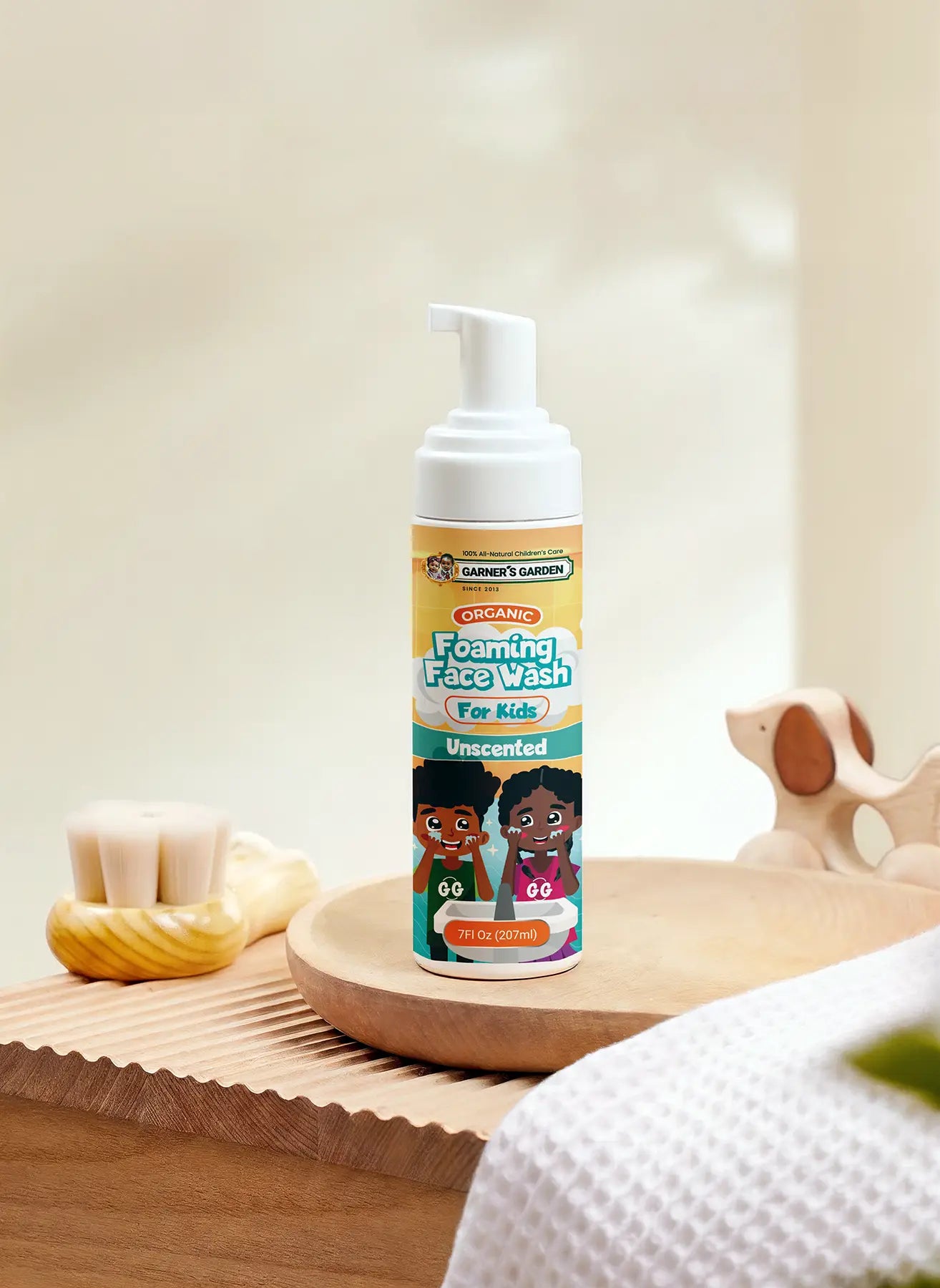
Follow with the face wash. Our Organic Foaming Face Wash is the rinse-off step in our Facial Care System. It uses a potassium-soap base, glycerin and our selected essential oils. Use a gentle touch and follow the directions for your exact bottle.
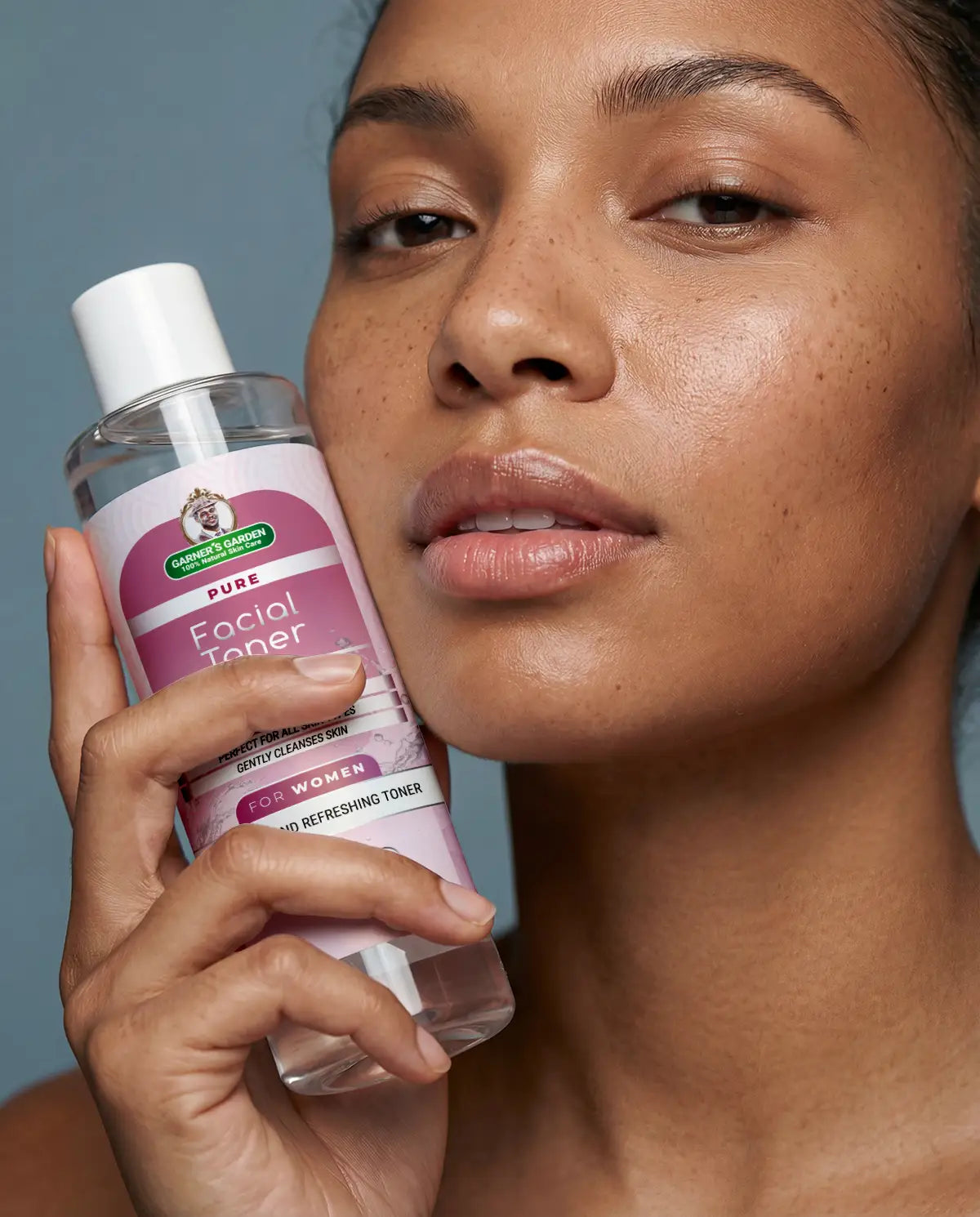
Then consider your toner step. Our Pure Toner combines witch-hazel distillate and aloe. For strict ethanol avoidance, ask us to confirm the exact witch-hazel preparation in your product. Our Oil Cleansing Method and Vitamin C Facial Serum also list witch-hazel distillate; that ingredient name alone does not establish alcohol-free status.
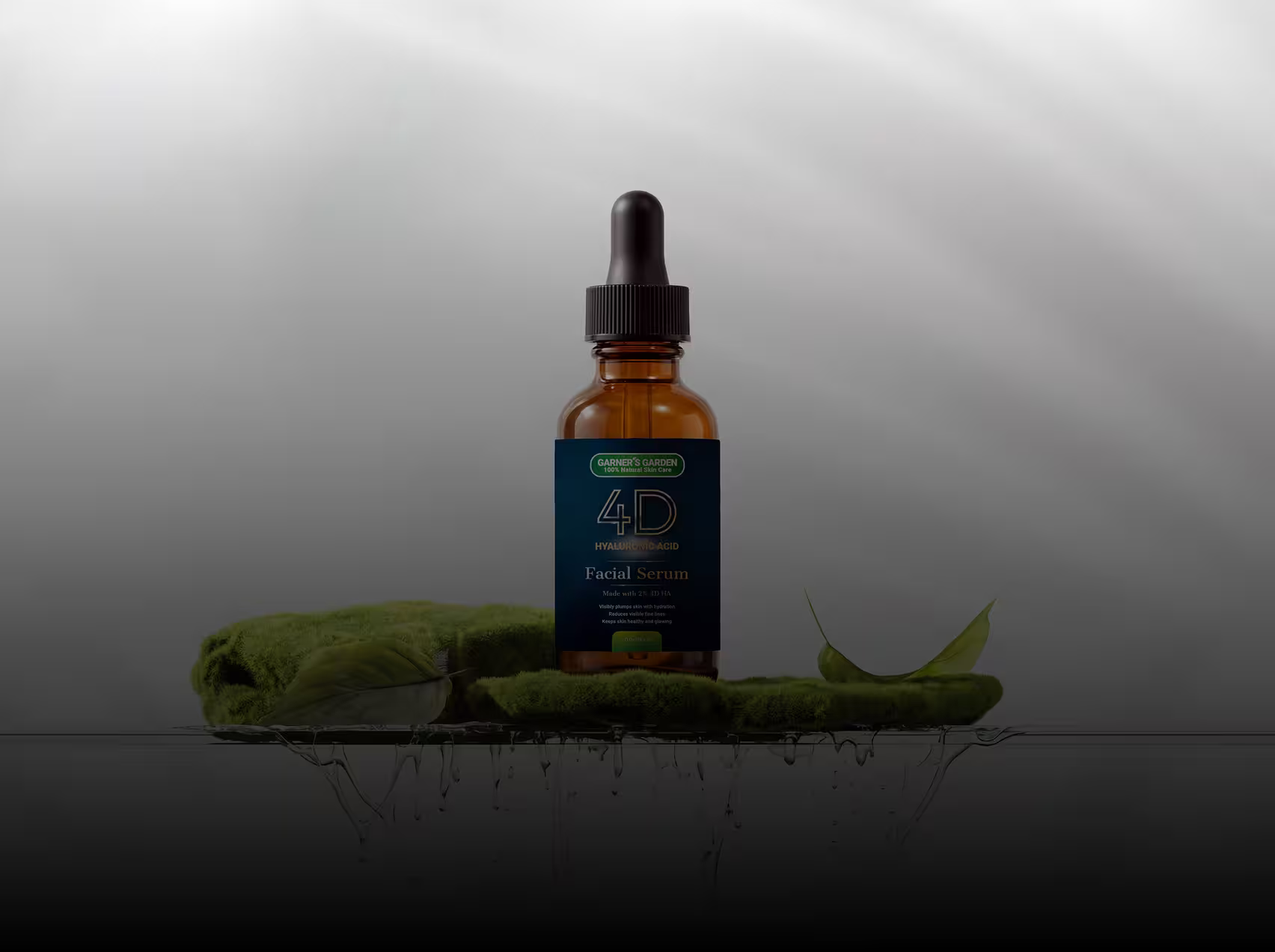
Finish with the conditioning step that fits. Our Original Normalizing Face Oil brings a hempseed-and-safflower oil base with vitamin E, tea tree, lavender and peppermint. The base oils act as emollients for soft, smooth-feeling skin. Our Vitamin C Facial Serum and 4D Hyaluronic Acid Facial Serum offer serum options with their own directions. Choose your steps for a purpose rather than layering every product.
Oily, combination, normal or dry: start by checking your current bottles. Reconsider the drying alcohols. In our GG routine, begin with oil cleansing, follow with the wash, then choose the toning and conditioning steps that fit your skin.


QUICK ANSWERS
Your alcohol and oil-cleansing questions
Should I avoid drying alcohols if my skin is oily?
That is our recommendation. Removing surface shine is not the same as caring for your skin. Check your toner, cleanser, lotion and serum for Alcohol, Alcohol Denat., ethanol, SD Alcohol and isopropyl alcohol. Oily skin can still feel tight or irritated, and drying it aggressively is not our goal.
Why is alcohol used in products made for oily skin?
Manufacturers may use ethanol to dissolve ingredients or create a quick-drying, oil-cutting finish. We don’t think that immediate finish is a good reason to make tightness or discomfort part of your routine. Our recommendation to leave alcohol out of everyday facial care applies to oily skin, too.
Why start with oil cleansing when my face is already oily?
The oil has a cleansing job: it can mix with oily residue and help loosen it for removal. Our Oil Cleansing Method is the first step in our GG system, followed by the Organic Foaming Face Wash. It is not a guarantee against breakouts. If an oil cleanser increases breakouts or irritation, reassess it rather than pushing through.
How do I use our Oil Cleansing Method?
Apply to dry skin and massage gently, following the directions on your bottle for the amount and removal. Our Oil Cleansing Method page provides the individual product directions; our Facial Care System places it before the foaming wash. Use a warm, damp cloth gently if your bottle calls for one, without scrubbing.
Are our witch-hazel products confirmed ethanol-free?
That needs confirmation for the exact preparation. Our Pure Toner, Oil Cleansing Method and Vitamin C Facial Serum list witch-hazel distillate. Ask us about the product you plan to use if strict ethanol avoidance is your goal; distillate alone does not answer that question.
Where do our face oils and serums fit?
Oil cleansing comes first and is removed. Our Original Normalizing Face Oil is a separate, leave-on conditioning step. Our Vitamin C and 4D HA facial serums have their own directions. Choose the steps your skin needs rather than assuming every option must be layered together.
Share
Read more
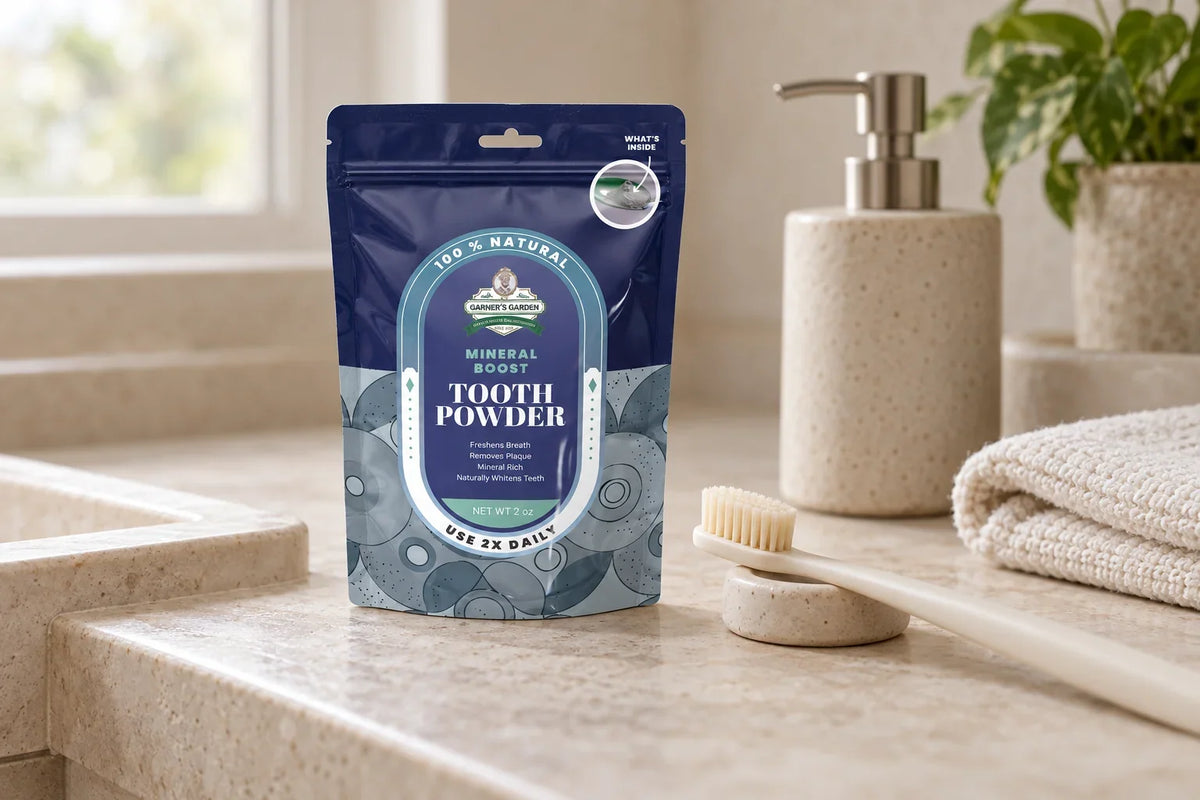
SLS in Toothpaste: Why It Matters If You Get Mouth Sores
If mouth sores keep returning, check your toothpaste for SLS. Explore the mixed research and an SLS-free, fluoride-free GG Tooth Powder option.

Remember that chest-rub smell?
That familiar chest-rub smell deserves a fresh look. We unpack common formula ingredients and introduce our adult Breathe Better Body Oil, with a separate path for baby-care questions.
Leave a comment
All comments are moderated before being published.
This site is protected by hCaptcha and the hCaptcha Privacy Policy and Terms of Service apply.