



Are You Exfoliating Right? Signs You’re Overdoing It
BODY CARE
You wanted smoother skin. Now it feels tight, looks irritated or stings when you apply a product. Are you exfoliating right—or overdoing it?

Before reaching for your scrub again, ask what you’re noticing. Is it surface texture you want to address, or skin that already feels uncomfortable?
Flaking, itching and roughness can occur with dry skin. Burning or stinging deserves attention, too. Those signs do not diagnose a damaged barrier—or tell you that another scrub is the answer.
Why Exfoliate in the First Place?
Exfoliation removes dead cells from the skin’s surface. That is the purpose of the step—not a reason to keep scrubbing until your skin feels uncomfortable. It is not something everyone needs.

WHEN MORE BACKFIRES
The routine you chose for smoother skin could leave you with dark spots instead. Aggressive exfoliation can cause irritation and increased pigmentation, especially for people prone to dark marks. Irritation-related spots can take months to fade.
Are You Exfoliating Right? Check These Four Things
1. Know When to Skip the Scrub
Already irritated? Pause and reassess. Retinol, prescription retinoids and benzoyl peroxide can make adding exfoliation more irritating. Ask a dermatologist if you are unsure what fits your skin.
2. Let the Product Work—Ease Up on Pressure
Use gentle circular motions and lukewarm water. Never exfoliate cuts, wounds or sunburn. Follow the directions for your exact product.
3. Don’t Mistake Discomfort for Progress
Tightness, stinging or visible irritation is a reason to stop and reconsider the step. You do not need to chase a raw or intensely “scrubbed” feeling to make the routine count.
4. Make Room for Moisturizer
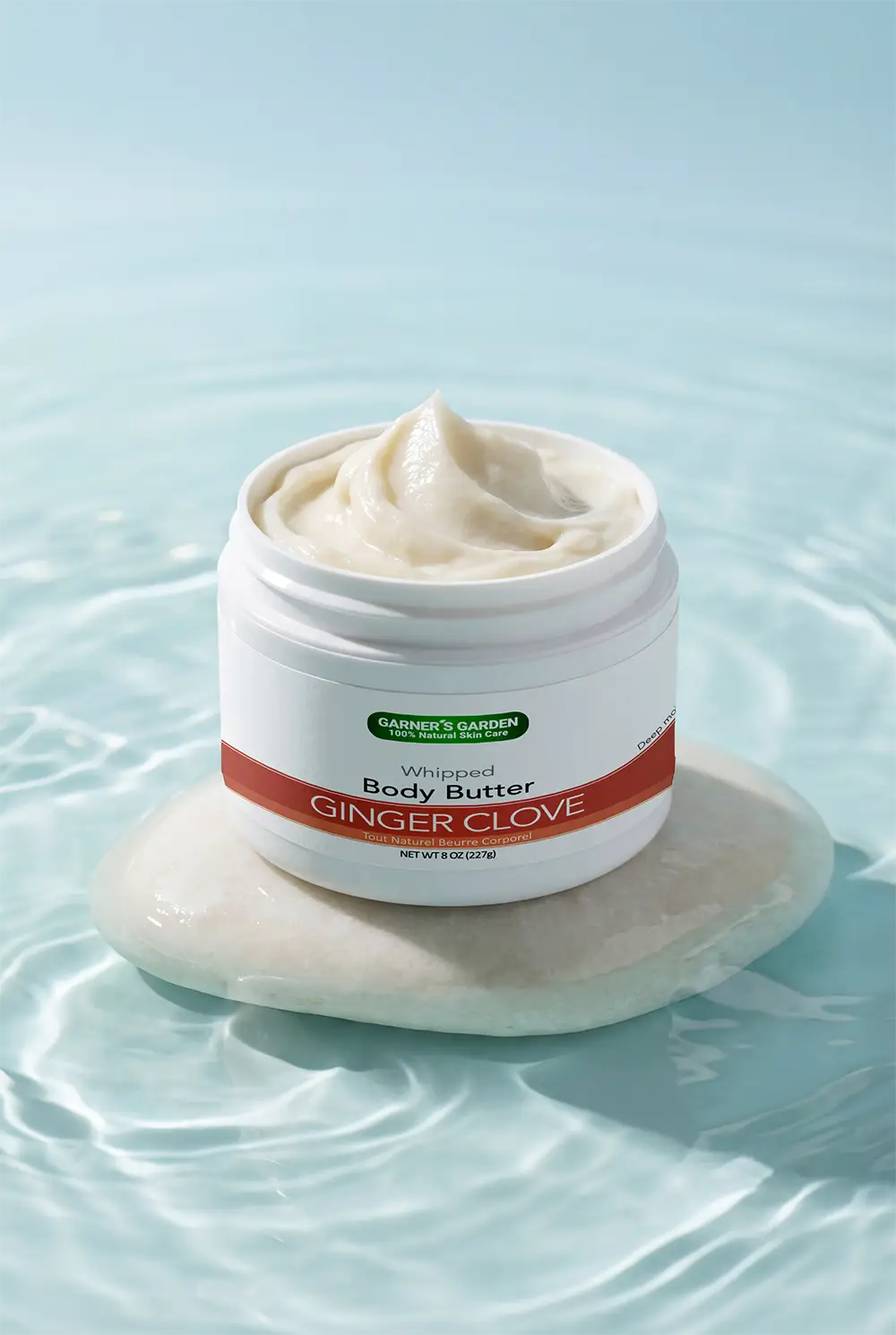
Apply moisturizer afterwards. Keep it within reach so the next part of your routine is easy to remember.
Is Your Schedule Working Against You?
There is no universal daily rule. Skin type and method matter, and stronger exfoliation generally calls for less frequent use. Pay attention to your skin rather than treating the calendar as a command.
A Rough Patch Is Not a Diagnosis
Persistent dryness or discomfort deserves individual attention. Eczema and skin-barrier concerns deserve their own discussion; a rough patch alone does not identify the cause. Talk with a dermatologist rather than adding more scrubbing.
QUICK ANSWERS
Your “Am I Doing This Right?” Questions
Why exfoliate if my skin already feels rough?
First work out whether you are noticing ordinary texture or discomfort. Do not assume every rough patch needs a scrub. If the cause is unclear, ask a dermatologist.
What should I check before using a GG scrub?
Read the current directions for the exact option you chose. A familiar brand or ingredient does not replace those instructions; face and body use may differ.
Does a stronger scrub mean better results?
No. More pressure is not the goal. Choose a method your skin tolerates and keep the touch gentle.
What if moisturizer stings afterwards?
Stop and reassess rather than repeating the scrub. Burning or stinging with products deserves attention, especially if it persists.
Can scrubbing cause eczema?
Do not use this article to diagnose eczema or assume scrubbing explains every skin problem. Persistent symptoms need an individual assessment.

FROM GARNER'S GARDEN
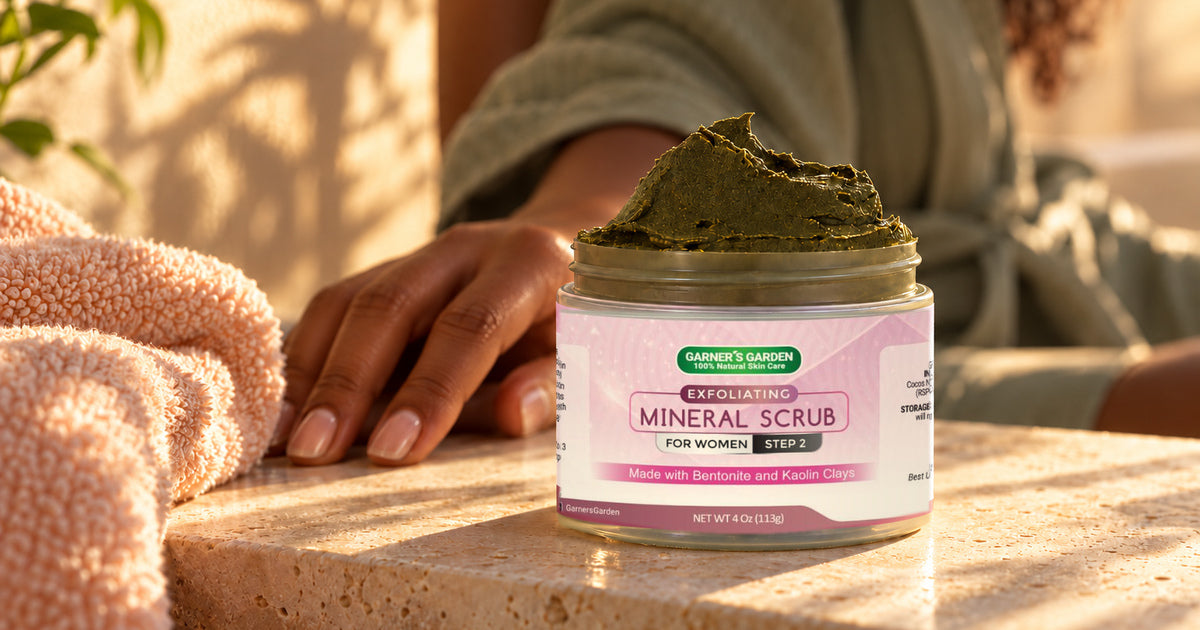
Mineral Exfoliating Scrub
If a physical scrub fits your routine, explore our Mineral Exfoliating Scrub and its current directions. Keep the pressure light. A GG label does not make aggressive scrubbing a good idea; if skin is already irritated, pause rather than adding another exfoliant.

Keep Building a Comfortable Routine
For more practical body-care ideas, read our cold-weather dry-skin routine.
Read more
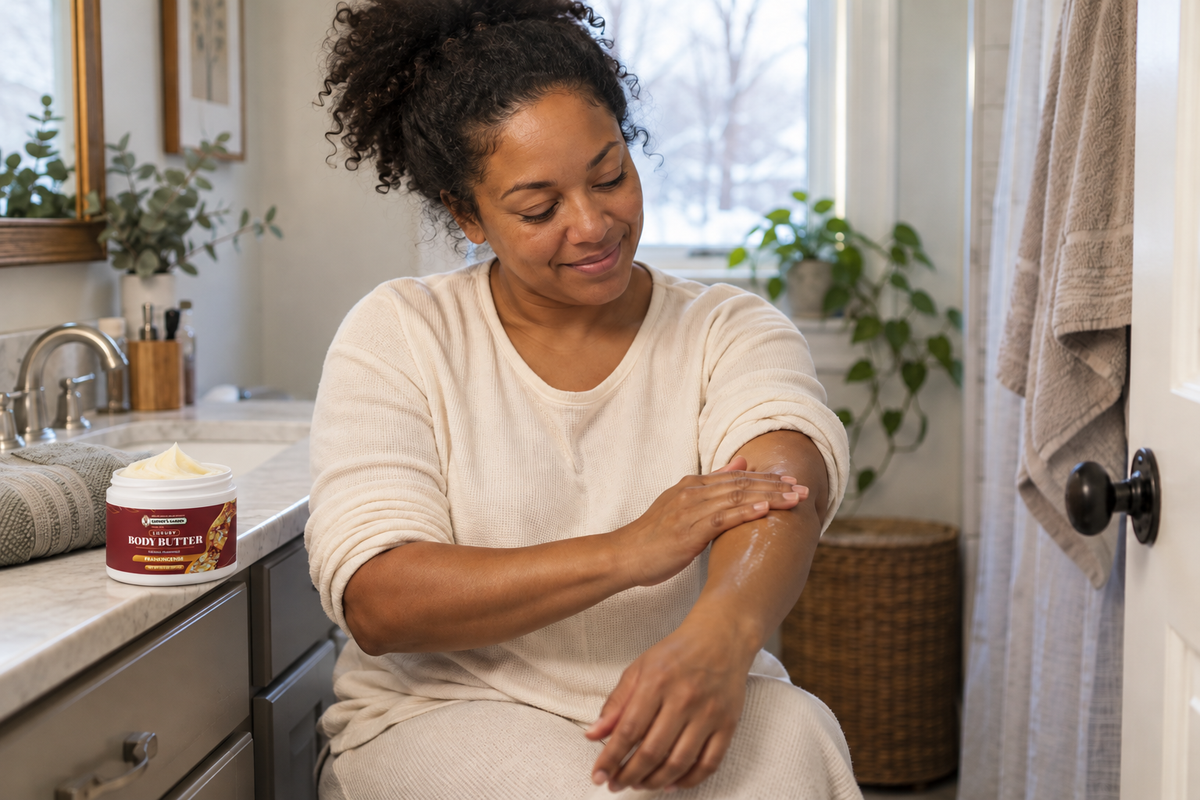
A practical guide to caring for dry-feeling skin as indoor heating and cooler weather become part of your day.
A practical guide to caring for dry-feeling skin as indoor heating and cooler weather become part of your day.
Leave a comment
All comments are moderated before being published.
This site is protected by hCaptcha and the hCaptcha Privacy Policy and Terms of Service apply.