



You Put Lotion On. Why Is Your Skin Dry Again?
WINTER SKIN · OCTOBER 23, 2026 EDITION
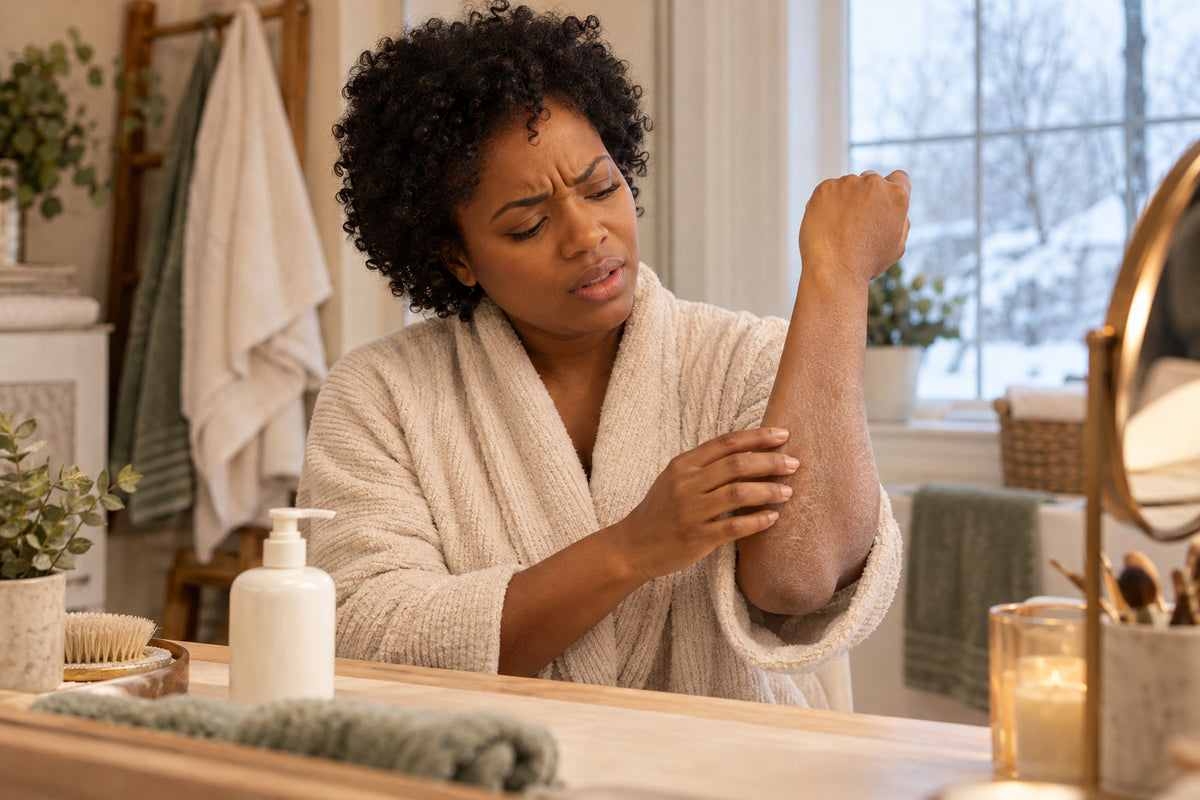
You moisturized after your shower. Later, your shins feel tight and your elbows look ashy again. Another layer—and the same question: why am I still dry? Winter can change what your skin needs from that jar. Start with what your formula does about water loss.

Winter changes what your skin is up against
Cold, dry air outside and heated, low-humidity air inside can leave skin drier in winter. A routine that felt comfortable in milder weather may need more support now. The American Academy of Dermatology explains that seasonal combination.
Your outer skin layer helps limit water loss. Its cells and surrounding lipids are part of that barrier. When it holds water poorly, skin can feel tight and look rough or flaky. The problem is bigger than whether a product feels pleasant as you rub it in. Moisturizer science review.
Two formulas to compare

Three reasons a moisturizing step can disappoint
THE FORMAT
Lightweight may be too light
For skin that is dry and getting drier in winter, AAD recommends a cream or ointment over lotion. Lotion can suit other needs; your dry areas may call for a richer format. AAD: choosing a moisturizer.
THE EXPECTATION
A soft feel is only part of the job
“Feels good going on” is a useful texture preference. It is not a complete explanation of the formula. Look for what helps hold water and what slows its escape, alongside what makes skin feel smooth.
THE WASH
The shower can work against you
Long, hot showers and irritating cleansing can worsen dryness. AAD recommends brief, warm washing with a gentle cleanser. What happens before moisturizer matters, too. AAD: relieving dry skin.
Give the ingredients a job—not just a place on the label
Moisturizing ingredients do different work. Humectants help hold water in the outer skin layer. Emollients soften and smooth. Occlusives form a surface layer that reduces water escaping. Many formulas combine these functions. How those functions differ.
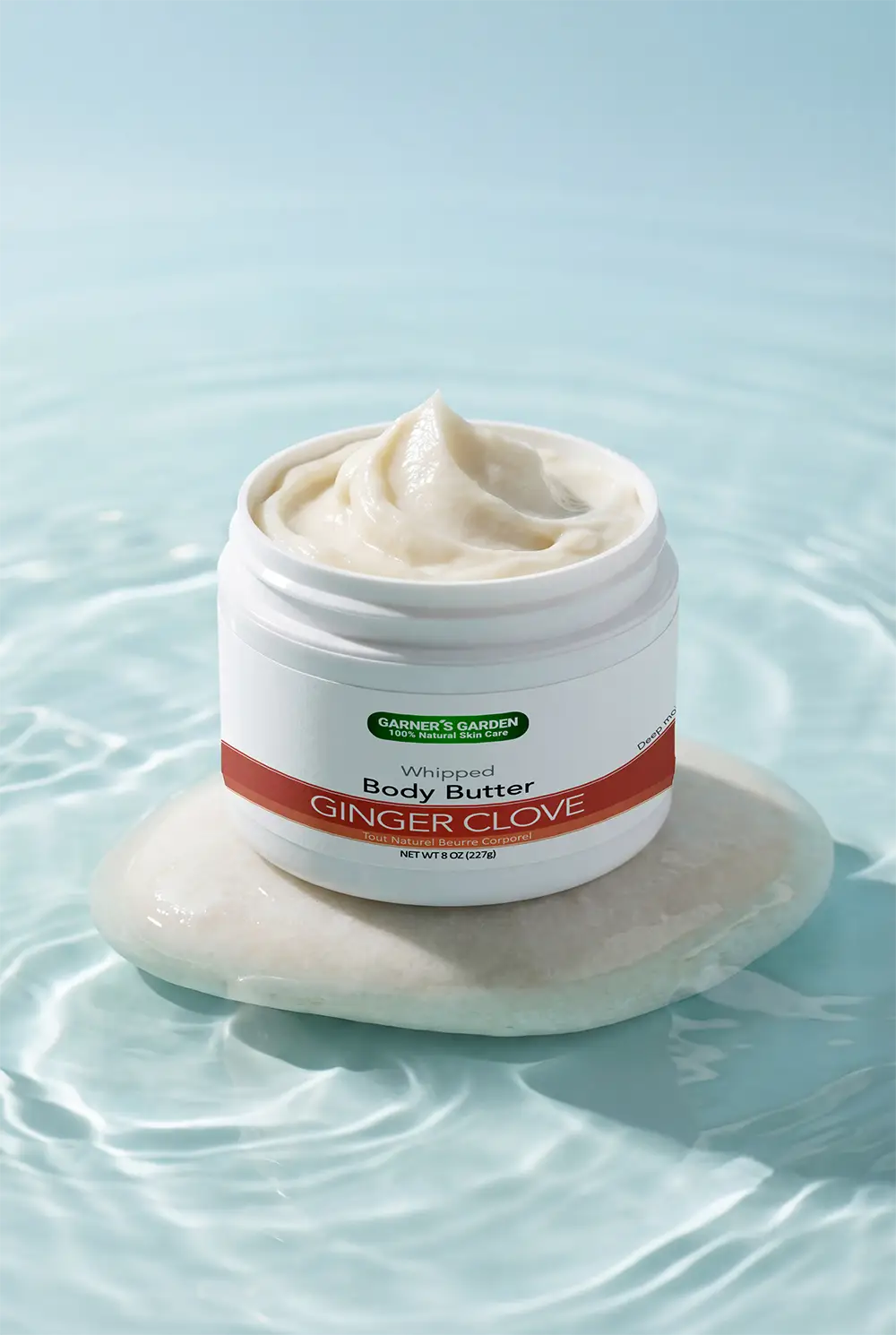
Our Body Butter lists shea butter, coconut oil, palm kernel oil, cocoa butter and beeswax in its base. Shea and cocoa are emollient fats; oils contribute softness, and beeswax contributes a film-forming wax component. That is a concrete connection to softening dry-feeling skin and limiting moisture loss—not simply giving it another scent. Ingredient-function background.
That is why we want you to know what is in the jar. You are choosing a rich butter, oil and wax formula for your body-care step. The point is the work those ingredients contribute to the formula. The word “natural” alone would not explain any of it.
Put the formula into the routine it was made for
After bathing, follow the Body Butter directions: warm a small amount between your palms, then gently massage onto clean, dry skin, focusing on dry areas. Keep it within reach of your towel so this is part of getting dressed. Use the current jar directions for your exact option. Body Butter directions.

Explore Your Winter Routine
Compare the featured butter, a simpler shea-and-wax option, and hand and lip care.


QUICK ANSWERS
Still dry after moisturizing? Your questions answered
Why did my lotion feel fine before winter?
Your surroundings changed. Low humidity and indoor heat can make dryness more noticeable, and the same texture may no longer feel sufficient. For dry skin, AAD favors richer creams or ointments. Our Unscented Body Butter is the rich butter-format option featured here.
Should I apply moisturizer while skin is damp?
AAD generally recommends moisturizing while skin is still damp. Product directions still matter: our current Body Butter directions specify clean, dry skin after bathing. Warm it between your palms and follow your jar’s instructions.
How is Whipped Shea Butter different from Body Butter?
Whipped Shea Butter lists two ingredients: shea butter and beeswax, with no added fragrance. Body Butter has a broader butter-and-oil base and several scent choices. Choose Whipped Shea for the simpler shea-and-wax formula, or compare the Body Butter options for that fuller blend.
What if my moisturizer burns or my skin keeps cracking?
Burning, stinging or persistent dryness deserves a dermatologist’s attention. Do not treat discomfort as proof a product is working. AAD explains when to seek help. Bring the ingredient list for the products you use so the conversation is specific.

FROM GARNER'S GARDEN
Choose the formula for the job
Our 5 oz Unscented Body Butter gives you the butter-and-oil base discussed here in an unscented option. If winter has you looking for a richer body-care step, start with the ingredients and put this formula to work in your routine.
Prefer the two-ingredient option? Explore Whipped Shea Butter: shea butter and beeswax, with no added fragrance.
10 oz jar shown. The button selects the featured 5 oz option.
SHOP UNSCENTED BODY BUTTER
Share
Read more
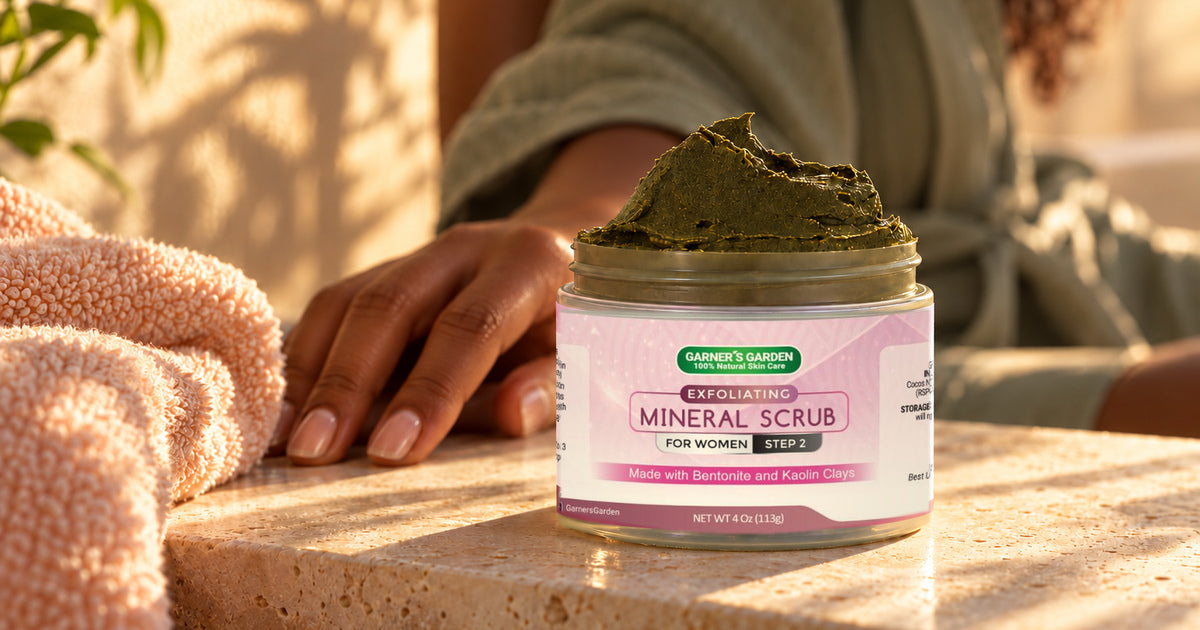
Are You Exfoliating Right? Signs You’re Overdoing It
How should you exfoliate your body without overdoing it? Learn what exfoliation does, how to use a body scrub gently and why moisturizer matters afterward.
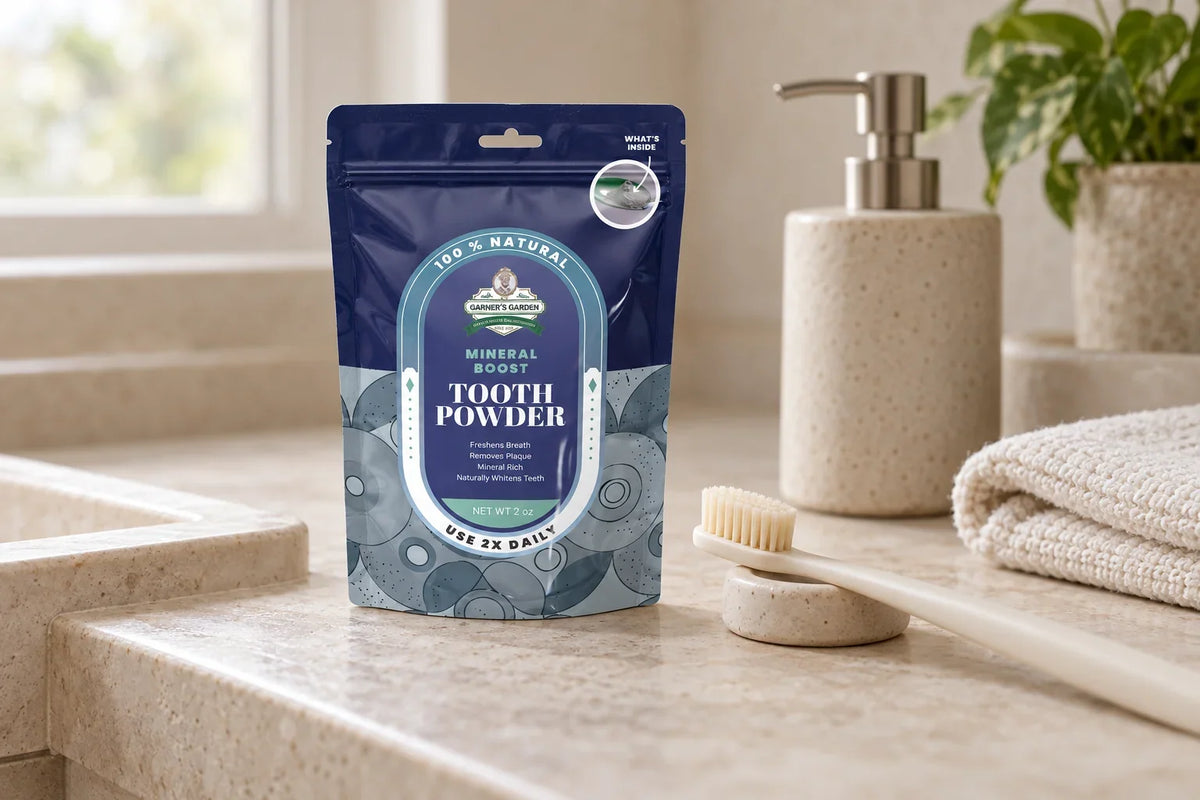
SLS in Toothpaste: Why It Matters If You Get Mouth Sores
If mouth sores keep returning, check your toothpaste for SLS. Explore the mixed research and an SLS-free, fluoride-free GG Tooth Powder option.
Leave a comment
All comments are moderated before being published.
This site is protected by hCaptcha and the hCaptcha Privacy Policy and Terms of Service apply.