


 Body Butter - Various Essential Oils
From $15.00


Your cart is empty
A little more from Garner’s Garden. Explore care for your body, hair, and face.
Body Butter - Various Essential Oils
From $15.00
 Body Butter - Natural Fragrance
From $15.00
 Breathe Better Body Wash
From $27.00
 4D Hyaluronic Acid Body Wash | Organic
From $44.00
 Armpit Deodorizing Foaming Wash | Organic | Oxygenated
From $15.00
 Armpit Post Wash Spray | Organic
From $19.00
 Organic Hand Soap
From $24.00
 Organic Intimate Wash For Women | Foaming | H₂O₂
From $15.00
 Magnesium Deodorant Spray
From $25.00
 4D Hyaluronic Moisturizing Layer
From $29.00
 Eczema Relief Spray
From $15.00
 Hot Flash Spray
From $15.00
 Beard Butter | Organic
From $15.00
 Natural Hair Oil
From $15.00
 Intimate Hair Oil
From $15.00
 Hair Balm | Men's | Organic
From $15.00
 Shea Hair Butter
From $15.00
 Natural Aftershave
$22.00
 Argan Oil
$27.00
 4D Hyaluronic Acid Hair Serum
$44.00
 Baobab Oil Shampoo
From $22.00
 Toddler Hair Oil
From $16.00
 Organic Baobab Oil Baby Shampoo
From $15.00
 Organic Baobab Oil Toddler Shampoo
From $15.00
 Natural Lip Balm
From $15.00
 Oil Cleansing Method Charcoal
From $21.00
 Extra Strength Facial Toner
From $15.00
 Facial Toner - Pure
From $15.00
 Organic ACV | Apple Cider Vinegar Toner With Witch Hazel
From $19.00
 African Black Soap Foaming Facial Cleanser | H2O2
From $15.00
 Organic Face Wash
From $16.00
 Hydrosols
From $28.00
 Mineral Exfoliating Scrub
From $15.00
 Activated Charcoal Scrub
From $18.00
 DIY Detox Face Mask
From $18.00
 5lbs African Black Soap
$109.00
Add-ons are one-time purchases. Choose an option to see its exact price.

Because our ORAL CARE ROUTINE is so ... routine, we don't always realize what's in it, or the potential health risks of the products inside it. And this can be dangerous.
In fact, many people don't realize that the oral care products they're putting in their mouths may not only contain dangerous chemicals and ingredients, but can also trigger an allergic reaction.
Well, new research is showing a connection between food allergies and oral care, and highlighting the best way you can PROTECT your oral and overall bodily health right now.
In this oral care blog we talk about the connection between oral care and food allergies, why it's important, and how you can achieve your BEST HEALTH TODAY!

Though food allergies are not usually thought of as a serious medical condition, they are. As a matter of fact, 15 million people suffer from food allergies, and this number is only growing.
And for these millions of people, knowing what's in the products they're using can be a matter of life and death, especially considering reactions from dental products can come randomly and as a surprise. (2)
For food allergy sufferers, even small amounts of a product can cause reactions ranging from hives to digestive problems to anaphylaxis, which we'll get into a little bit later. (3)
It's important to make a distinction between food allergies and food intolerance, as many people don't realize that an allergy can affect your whole immune system, leading to a potentially life-threatening reaction.
The danger of food allergies is nothing to overlook. In fact, around four percent of adults have food allergies, and six percent of children are food allergy sufferers. (5)
And getting back to allergies, oral care, and even dental visits, it's essential that you know if certain dyes, ingredients, or even gluten or latex can trigger an allergic reaction so you can find an appropriate alternative before a reaction ever takes place. (6)


Without getting too scientific, food allergies center around two parts of your immune system - your mast cells and what's called IgE (also known as immunoglobulin E).
Mast cells are found in all your body tissues, but are especially present in your throat, lungs, skin, digestive tract, and nose. IgE is simply an antibody that moves throughout your blood. (7)
Basically, what happens during an allergic reaction is IgE becomes attached to an allergen - called activation - and your mast cells release mediators in a process called degranulation. (8)
Now that we know the nitty gritty details of how food allergies work, let's take a step back and think of things a little more simply. Basically, when you suffer from a food allergy, your body is treating the proteins in your food as a threat, causing you to release chemicals responsible for the symptoms of your allergic reaction.
Another thing to keep in mind is that just about any food can cause an allergic reaction, which makes it that much more important you know what's in the oral care products you're using. (10)
Food allergies in oral care products are so dangerous that, as per RCDSO guidelines, dentists literally keep binders to keep track of the materials they use in their office, as many products, ingredients, and tools you may not even think of could trigger a reaction. (11)


There are over 170 foods that can cause an allergic reaction, and they can cause problems all over your body, especially inside your mouth.
Some of the symptoms of food allergies affecting your oral health include a swollen tongue, face, and lips, as well as potential dry mouth from antihistamines, which can lead to tooth decay. (12)
But before we need to deal with the reactions of a food allergy, why don't we just avoid them? Well, the best way to do that is by knowing what causes them. And that begins with avoiding fluoride, which can contain gluten or nut oils. (13)
Fluoride and its relation to gluten allergies is such a problem that there is growing research into a potential link between gluten intolerance, celiac disease, and oral health, including in certain over-the-counter mouthwashes, lip glosses, and toothpastes.
This link has grown so strong that toothpaste manufacturers have actually been pushed to provide gluten information on their sites, though it might not be easy to understand their list once you get there. (15)
Fluoride allergies can be so dangerous (and unnecessary) that many people are actually opting to go FLUORIDE-FREE, even if they don't have a fluoride allergy. (16)

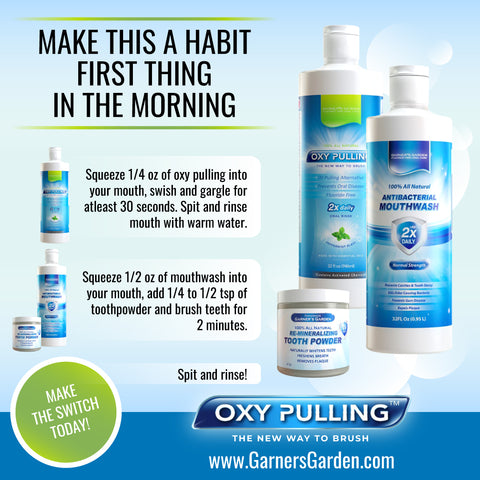
Even though you may not think about it, just about every over-the-counter oral care product out there is flavored, most commonly with carvone, menthol, spearmint, or peppermint, all of which can potentially cause food allergies.
And that's not all. Parabens, fluoride salts, and chemicals like propolis, azulene, hexylresorcinol, and dipentine can also cause food allergies, and can be found in many over-the-counter toothpaste products. (17)
The reason this is so dangerous is because the EU, for example, actually classifies toothpaste as a cosmetic product - keeping it away from food regulations and requirements it should (absolutely) conform to. (18)
The allergies associated with oral care products don't just end with toothpaste. Allergens can also be present in over-the-counter mouthwashes, which can lead to dangerous reactions.
Some common ingredients in over-the-counter mouthwashes that can cause an allergic reaction include SLS, xylitol, and flomenthol, so it's super important you check the labels of your oral care products to ensure you're not using anything that can hurt you. (20)
Problems with the ingredients in over-the-counter oral care products has become so serious that even the FDA has gotten involved, warning people that over-the-counter antiseptic products (including mouthwashes) with the ingredient chlorhexidine gluconate can trigger a potentially dangerous allergic reaction. (21)


Now that we know how many over-the-counter oral care products can be dangerous, it's time to talk about why you need to avoid them at all costs. And that's because you might be at risk, even if you don't think you have a food allergy right now.
As a matter of fact, food allergies can develop at any time in your life, and it's unlikely adults will outgrow their allergy. This means that if you're not allergic to the dangerous ingredients in your over-the-counter toothpaste now, that doesn't mean you won't be affected by it tomorrow. (22)
There's actually a name for this. It's called adult-onset allergies, and is such a complicated area of study that not even doctors are sure why people develop allergies when they do. (23)
If you think food allergies are something you don't need to take seriously, think again. That's because the symptoms of allergies include coughing, wheezing, tingling, itchiness, swelling, loss of consciousness, and difficulty breathing.
There is also a severe, potentially life-threatening reaction that can occur called anaphylaxis. (25)
And that's not all. Food allergies can also cause a drop in blood pressure and a tightening of your throat, making food allergies not just a harmless problem. Knowing your food allergies and triggers is essential to staying safe, and, as always, seek a health care professional if you have any questions about your health. (26)


Read more
In this blog we talk about how to wash your face post-workout, and the steps you can take to achieve YOUR BEST SKIN HEALTH TODAY!
In this blog we talk about the side effects of COVID-19, and how you can GET BACK to feeling your best self today!
Leave a comment
All comments are moderated before being published.
This site is protected by hCaptcha and the hCaptcha Privacy Policy and Terms of Service apply.